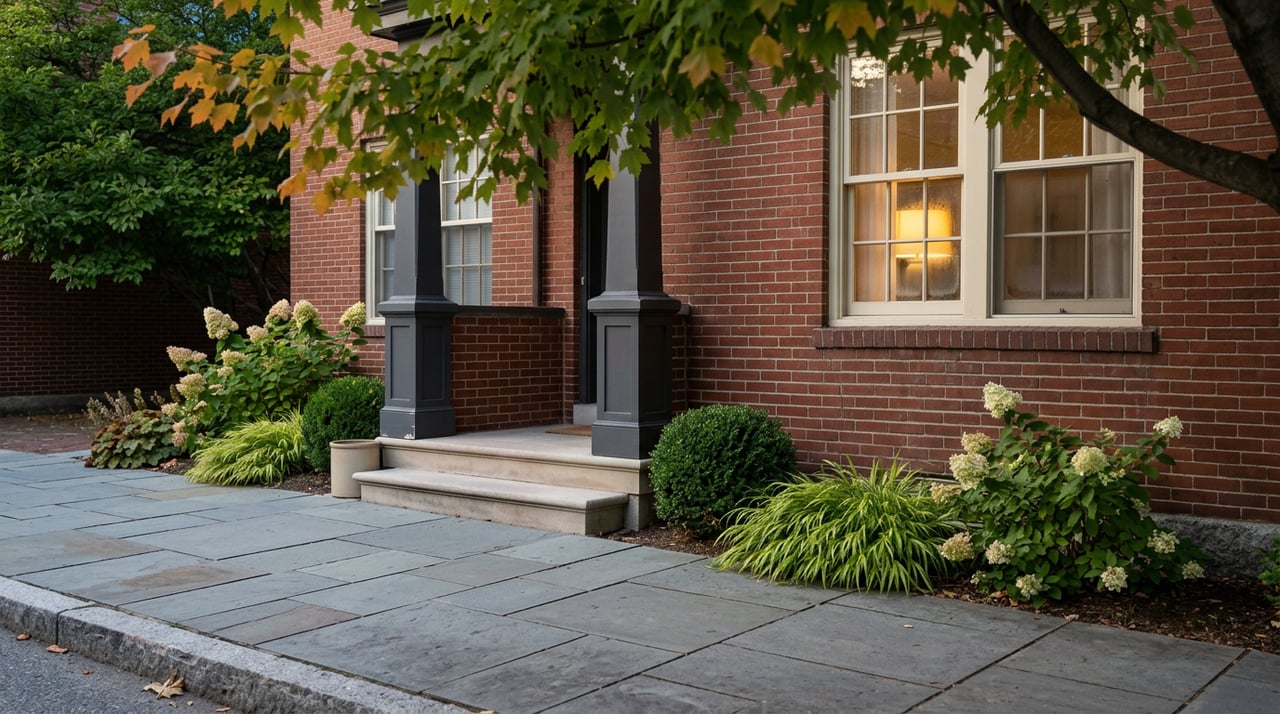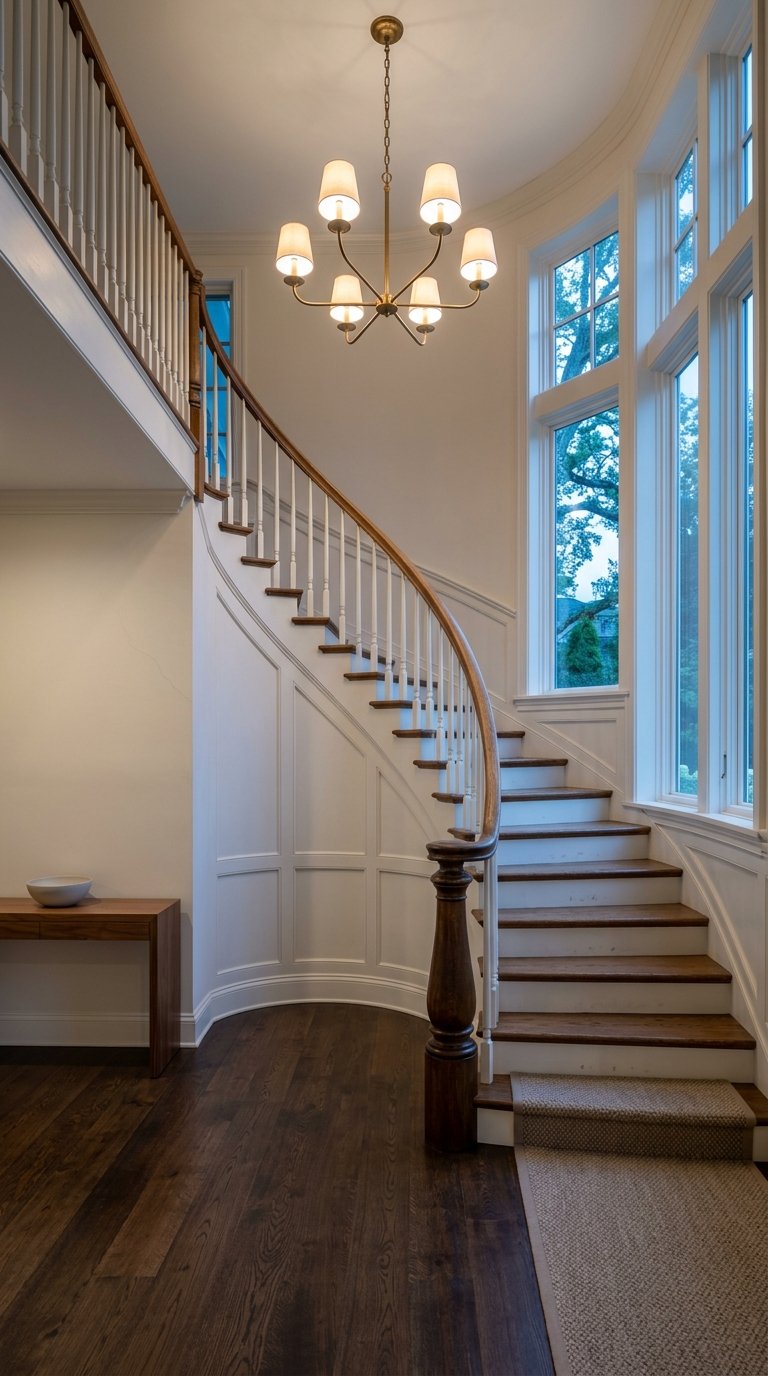
Thinking about buying in Indian Hill because you see renovation potential? That instinct makes sense, but in a place defined by large lots, older homes, and carefully protected site character, the house is only part of the story. If you plan to add on, rework the layout, upgrade systems, or even rebuild, you need to understand what the property can support before you fall in love with the finishes. Let’s dive in.
Why Indian Hill Renovations Are Different
Indian Hill is a Hamilton County community about 10 miles northeast of Cincinnati and covers roughly 20.5 square miles. Its rural-residential character is shaped by green space, bridle trails, its own water supply, and a long-standing pattern of 1-, 3-, and 5-acre zoning that has influenced the landscape over time.
For you as a buyer, that means renovation planning starts with the land as much as the home. A property may look expansive at first glance, but the usable building envelope can be affected by zoning, setbacks, easements, drainage conditions, and lot coverage rules.
Older estate homes can offer incredible opportunity. They can also come with outbuildings, mature landscaping, aging systems, and site constraints that require a more detailed plan before you write an offer.
Start With the Lot, Not the Wish List
If you are buying in Indian Hill with renovation plans in mind, your first question should be simple: Can this lot support what I want to do? That answer depends on more than the size of the parcel.
The village divides residential land into Districts A, B, and C. In general, dwellings require 5 acres in District A, 3 acres in District B, and 1 acre in District C, with lot coverage capped at 20% in Districts A and B and 25% in District C.
Those numbers matter when you are thinking about a home addition, detached garage, pool house, or replacement residence. Even a large-looking property can be limited by frontage requirements, yard standards, easements, or impervious-surface restrictions.
Check Zoning Before You Offer
Before assuming your plans will work, verify the parcel’s exact zoning district using the village zoning map and street-address classification list. This step can help you avoid basing your budget or offer strategy on an addition or rebuild that may not fit the code.
The zoning ordinance also includes some exceptions for certain lots of record and for some replacement residences. Still, those situations must be reviewed through the ordinance and may involve the Planning Commission.
Front Yard Rules Can Affect Placement
If a new residence is proposed between existing homes, the front yard may need to align with nearby front yards or the district minimum, whichever is greater. That can affect where a future home or major addition actually sits on the lot.
This is one reason broad renovation ideas should be tested against site realities early. In Indian Hill, placement can be just as important as square footage.
Understand the Village Review Process
Indian Hill takes site work seriously, and that matters for renovation-minded buyers. The village’s site-clearance application requires surveyor-prepared plans that show easements, drainage, grading, erosion-control measures, and the locations of existing and proposed structures.
If you are planning major work, these are not details to sort out later. They are part of the early feasibility conversation, especially if your vision includes excavation, expanded hardscape, a new driveway layout, or changes to drainage flow.
For new homes, the village also asks that there be a fire hydrant within 400 feet. Work in the right-of-way requires village approval, and the Inspection Division performs inspections on construction sites.
Demolition Needs Extra Attention
If your plan includes tearing down part or all of a structure, the village’s demolition site-clearance form asks applicants to verify deed restrictions and possible historical significance before applying. That is especially important in Indian Hill, where older homes, barns, schoolhouses, and estate structures are part of the village’s historical fabric.
In practical terms, this means demolition should never be treated as a simple reset button. Before you buy, it is smart to understand what the property may require from a review and documentation standpoint.
Older Homes Bring Character and Complexity
Indian Hill’s housing stock spans several architectural eras. The Indian Hill Historical Society identifies examples ranging from a late Georgian house to a Greek Revival farmhouse to a 1931 estate home blending Georgian and Southern Colonial styles.
That variety is part of the appeal. It also means homes may have very different structural systems, materials, additions from different periods, and preservation considerations.
The village’s estate history helps explain why renovation projects here can be layered. A historic estate property may include substantial grounds, mature landscapes, outbuildings, and support structures that add charm but also expand the scope of maintenance and planning.
Design Choices Should Respect Site Character
Indian Hill has a strong local expectation that design choices and site character will be handled thoughtfully. If you are drawn to the area because of its setting and architecture, that same setting is part of what you are buying.
That does not mean you cannot personalize a home. It means the best renovation plans usually respond to the house, the lot, and the surrounding streetscape rather than forcing a one-size-fits-all design idea onto the property.
Build Your Due Diligence Team Early
One of the smartest moves you can make is bringing the right professionals into the conversation before you buy. In Indian Hill, early expert input can help you estimate cost, confirm feasibility, and reduce surprises.
The most useful pre-offer team often includes a general home inspector and a surveyor. Depending on the property, you may also want a structural engineer, septic specialist, drainage consultant, or energy assessor.
This approach fits the village’s own process, which expects plans, grades, drainage, and erosion control to be documented before work starts. It is much easier to make a confident offer when you understand the property’s likely needs upfront.
Septic Should Be Part of Your Review
If the property uses a septic system, treat that as a key due-diligence item. Indian Hill says Hamilton County Public Health performs household sewage-disposal inspections, and the village mandates annual inspection of each system.
For older or more rural parcels, septic condition and service history should be reviewed early. A beautiful lot can quickly become a more complicated purchase if the system needs significant work.
Budget Beyond the Cosmetic Updates
When buyers picture a renovation, they often focus on kitchens, baths, finishes, and layout changes. In Indian Hill, your budget should go well beyond the visible upgrades.
A high-level renovation budget should separate likely costs into these categories:
- Inspections and surveys
- Design and permit work
- Structural and exterior envelope repairs
- Systems work
- Site and drainage work
- Contingency for unknown conditions
That last category matters more than most buyers expect. Older homes can hide issues behind walls, below grade, or within long-updated additions.
Energy Performance May Need Attention
The Department of Energy notes that older homes often have inadequate insulation compared with today’s needs. It also says a professional home energy assessment is the best way to determine where a house is losing energy and where improvements may create savings.
If you are considering an older Indian Hill property, energy performance deserves a place in the renovation conversation. Comfort, efficiency, and operating costs can all be part of the long-term value picture.
Plan for More Time Than You Think
Renovation timelines are rarely as clean as they look on paper. The 2025 Remodeling Impact Report found that 31% of owners said their projects took more time than planned.
That does not mean your project will automatically run late. It does mean your buying strategy should leave room for schedule flexibility, especially if your plans depend on design work, site review, or specialized contractors.
If you are comparing a turnkey home with a value-add estate, timing can be one of the biggest practical differences. A property with upside may be the better fit, but only if the schedule works for your life and budget.
What to Look for During Showings
When you tour homes in Indian Hill, try to look past staging and surface finishes. A renovation-minded showing is really about potential, limits, and complexity.
Pay close attention to:
- The relationship between the home and the lot
- Room for additions or detached structures
- Slope, drainage patterns, and grading clues
- The location of neighboring homes
- Outbuildings and site features that may affect scope
- Signs of older systems or deferred maintenance
You do not need final answers during the showing. You do want enough information to decide whether the property deserves a deeper feasibility review.
A Smart Offer Starts With Realistic Scope
The best renovation purchases usually happen when vision and due diligence stay in balance. It is exciting to imagine what a property could become, but your offer should reflect what the lot, house, and village process are likely to support.
That is where design-informed guidance can make a real difference. When you understand layout potential, site constraints, and likely improvement categories before you commit, you can move forward with much more confidence.
If you are considering Indian Hill and want a thoughtful second set of eyes on renovation potential, Paige Von Hoffmann can help you evaluate homes with both design vision and practical market insight.
FAQs
How can you tell if an Indian Hill lot can support your renovation plans?
- Check the property’s zoning district, lot coverage limits, setbacks, frontage requirements, easements, and any applicable lot-of-record exceptions before assuming an addition, accessory structure, or rebuild will work.
What happens if your Indian Hill renovation plan does not fully fit the code?
- The village’s Planning Commission handles variances and special exceptions, and the process may require surveyor-prepared plans and supporting documents.
Should you bring in inspectors and specialists before buying in Indian Hill?
- Yes. Early input from a home inspector, surveyor, and property-specific specialists can help you understand feasibility, budget, drainage, structure, septic needs, and energy performance before you finalize an offer.
Why do older homes in Indian Hill require extra renovation planning?
- Many properties reflect different architectural eras and may include mature landscapes, outbuildings, older systems, and site conditions that make renovation more complex than a typical suburban project.
What should you budget for when buying an Indian Hill home to renovate?
- Plan for inspections, surveys, design and permit work, structural and envelope repairs, systems upgrades, site and drainage work, and a contingency for hidden conditions.