Wondering if you can really live in Downtown Cincinnati without relying on a car every day? If you are drawn to walkable streets, easy access to restaurants and parks, and a home base close to work or entertainment, the answer may be yes. Downtown is one of the strongest places in the region for a car-free or car-light lifestyle, and this guide will help you understand what daily life can actually look like before you make a move. Let’s dive in.
Why Downtown Cincinnati Works
Downtown Cincinnati is set up better for car-free living than many other parts of the region. The downtown district itself promotes the idea that you can park once and use multiple ways to get around within a walkable urban core.
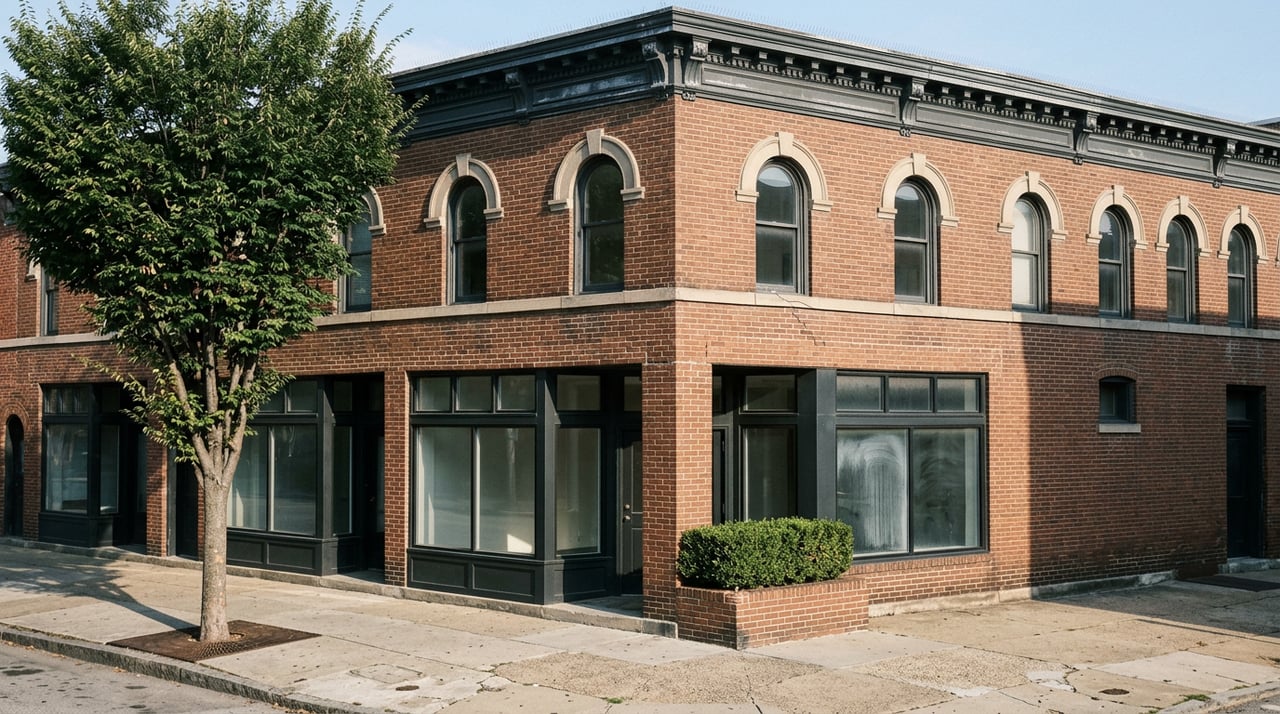
In practical terms, that works best in the Central Business District, Fountain District, The Banks, Over-the-Rhine, and Pendleton. These areas place housing, offices, restaurants, parks, and entertainment close together, which can turn daily errands and social plans into short walks or simple transit trips.
Another helpful detail is the Downtown Cincinnati Clean and Safe program. Ambassadors are on foot seven days a week from 7 a.m. to 10 p.m., which adds support for people walking between home, transit stops, and everyday destinations.
Best Downtown Areas for Car-Free Living
Not every downtown micro-location feels the same. If you want to live with little or no driving, your exact block and building matter more than you might think.
CBD and Fountain Square Access
The Central Business District and Fountain Square area are some of the strongest picks for transit access. Government Square sits in the core, making it easier to connect to Metro routes, and the Court and Walnut area adds a full-service Kroger nearby for regular grocery runs.
If your routine includes office commutes, quick errands, and regular transit use, this area often gives you the most straightforward setup. You may be able to handle a large share of your week on foot, by streetcar, or by bus.
The Banks Lifestyle
The Banks is a strong option if you want riverfront access, entertainment, and proximity to stadiums and event spaces. It can be a very convenient place to enjoy downtown attractions without needing to drive.
That said, it is physically separated from the CBD by Fort Washington Way. For some residents, that is not a dealbreaker, but it is worth thinking about if you expect to walk everywhere every day.
Over-the-Rhine and Pendleton Energy
Over-the-Rhine and Pendleton tend to appeal to buyers who want a little more neighborhood texture while staying connected to the urban core. These areas offer easy streetcar access along with restaurants, shops, bars, parks, and public gathering spaces.
Pendleton also includes Ziegler Park Lawn with a walking loop, while the broader downtown district map highlights the concentration of amenities nearby. If you want a lifestyle built around local destinations and frequent short trips, these areas often fit well.
Streetcar Makes Short Trips Easy
For many residents, the Cincinnati Connector streetcar is the backbone of a car-free routine. It is free, runs 365 days a year, and follows a 3.6-mile loop between The Banks, Downtown, and Over-the-Rhine.
The streetcar has 18 stations, real-time arrival screens, and roughly 15-minute headways. Service runs until 11:30 p.m. on weekdays and Saturdays and until 9:30 p.m. on Sundays.
That setup makes a real difference in daily life. If your home, work, favorite restaurants, and regular stops sit on or near the loop, many trips become simple and predictable.
Metro Connects You Beyond the Core
The streetcar is useful, but Metro is what opens up more of the city for a car-light lifestyle. Government Square is Metro’s downtown transit hub on Fifth Street between Walnut and Main, and it serves about 7,500 passengers per day.
According to Metro’s 2025 study, 37 fixed routes serve Downtown Cincinnati and Government Square. Metro also says the system now includes seven 24-hour routes, which gives added flexibility if your schedule is not limited to standard business hours.
For commuters, the reach is especially important. Metro’s relocation study says Government Square and its nearby connections provide access within a 15-minute ride to nearly 60,000 jobs and within 30 minutes to more than 130,000 jobs.
If your destination is not on the streetcar loop, this is what can still make downtown living realistic without daily driving. Metro also recommends the Transit App for trip planning, real-time arrivals, and EZFare payment.
Cross-River Trips Are Possible Too
If your life includes Northern Kentucky, regional transit matters. TANK serves Boone, Campbell, and Kenton counties along with downtown Cincinnati.
One useful example is Route 25, which offers direct service between downtown Cincinnati and Newport to NKU every 30 minutes. If you work, study, or spend regular time across the river, that can make a car-free setup much more workable.
Daily Errands Can Stay Local
A car-free lifestyle only works if everyday needs are easy to handle. Downtown Cincinnati has several districts where errands, dining, recreation, and entertainment can stay close to home.
The CBD includes Fountain Square, major offices, arts venues, and the downtown library. The Banks offers riverfront entertainment and stadium access. Over-the-Rhine is dense with restaurants, bars, and shops, while Findlay Market adds a long-running public market plus parks and playgrounds.
For groceries, the Court and Walnut development is one of the most important examples. It includes a full-service Kroger, which is a major advantage for anyone trying to manage weekly shopping without needing to drive.
Biking Fills the Gaps
Walking and transit do a lot of the work downtown, but biking can make the system even easier to use. Red Bike is Cincinnati’s nonprofit, station-based bike-share system, and riders can find a nearby station, check bike and dock availability, and unlock a bike from a phone.
The city also notes that more than 450 bike racks have been installed throughout Cincinnati. Bikes may be locked at meters or sign poles, and bike parking is required in new or significantly expanded parking garages.
That matters if you want a fast option for first-mile or last-mile trips. It can also help if you choose a condo or loft without dedicated parking.
Should You Keep a Car Anyway?
You do not necessarily need to give up your car completely to enjoy downtown living. Many buyers find that a car-light setup works best, where you walk, use transit, or bike most days but keep a vehicle for occasional trips outside the core.
That tradeoff often depends on how often you need to reach suburban destinations with multiple stops. Downtown, OTR, and The Banks are well served, but some routines outside the core are still easier with a car.
If you keep one, planning ahead helps. The City of Cincinnati offers 11 garages and open lots throughout downtown with daily and monthly options.
Monthly parking rates range from $25 to $150, while daily rates range from $1.50 to $15. Mobile payment is available through CincyEZPark and PayByPhone, and enforcement hours vary by district, with longer evening windows in The Banks and parts of Over-the-Rhine.
Building Features Matter More Than You Think
The right building can make car-free living much easier. Downtown housing is not one-size-fits-all, and condo or loft choices vary from historic rehabs to newer mixed-use buildings and towers with attached or covered garages.
Projects highlighted in downtown housing archives include examples like Court Street Condos, Gosling Flats, Parker Flats, Graydon Lofts, and Pendleton Glass House Lofts. The key takeaway is not just style, but function.
When you compare buildings, focus on the features that support your daily routine:
- Proximity to a streetcar stop or Government Square
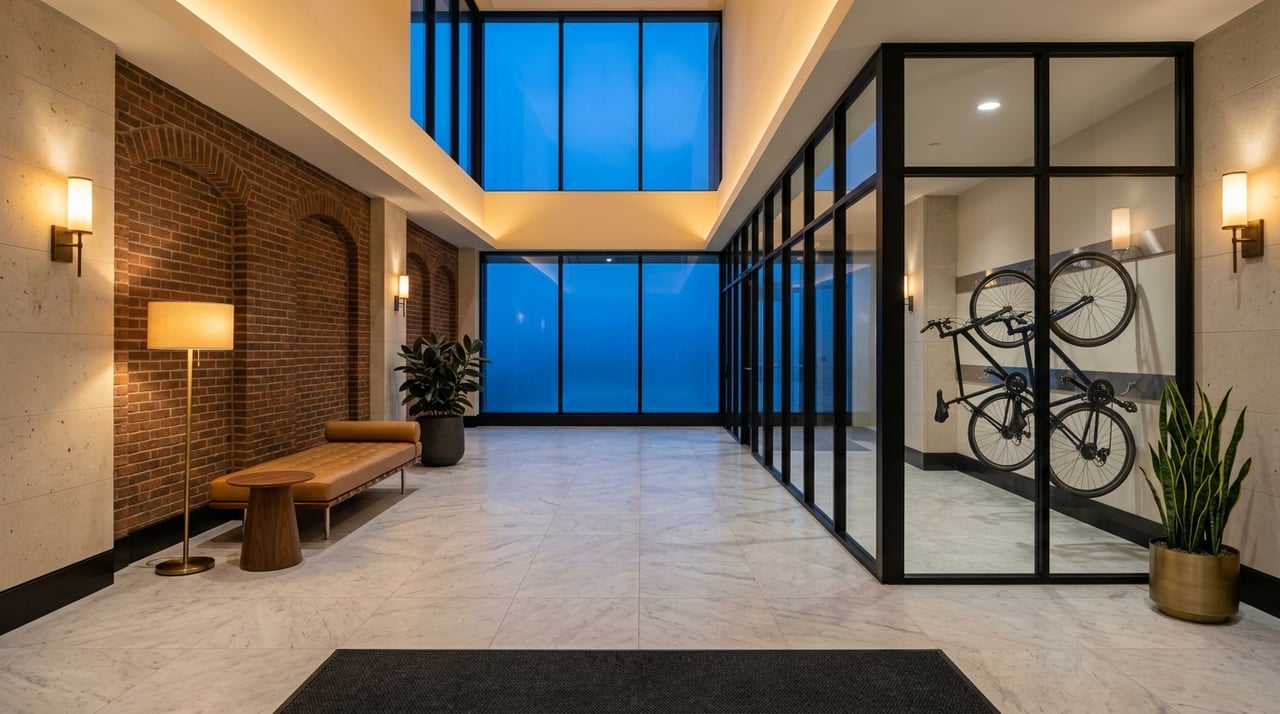
- Secure bike storage
- Elevator access
- Package access
- No required parking commitment, or optional monthly parking
- Mixed-use convenience such as grocery or street-level retail nearby
If you are deciding between two homes, these practical details can shape your experience as much as square footage or finishes.
How to Know If Car-Free Living Fits You
A largely car-free lifestyle in Downtown Cincinnati can work well, but it is not automatic for every household. The strongest fit usually comes when your job, errands, and favorite places line up with the streetcar loop or are easy to reach from Government Square.
It also helps to be honest about your habits. If you enjoy local dining, short walks, transit access, and a neighborhood-centered routine, downtown may feel very natural. If your week includes frequent suburban errands or scattered destinations, a car-light plan may be the better fit.
This is where local guidance really matters. A condo that looks ideal online may feel very different once you factor in grocery access, transit connections, bike storage, and parking options.
A Smart Way to Shop for Downtown Homes
When you tour condos or lofts downtown, try to look beyond the unit itself. A beautiful interior matters, but so does the way the building supports your everyday routine.
Think about how you would get groceries home, where you would catch the streetcar or bus, whether a bike would be useful, and how often you would want access to a garage. These lifestyle details can help you choose a home that not only looks right, but lives well.
If you are exploring Downtown Cincinnati and want help weighing walkability, condo features, and neighborhood fit, Paige Von Hoffmann can help you find a home that matches the way you actually want to live.
FAQs
Can you live car-free in Downtown Cincinnati full-time?
- Yes, many people can, especially if work, errands, and regular destinations are on the streetcar loop or near Government Square.
What parts of Downtown Cincinnati are best for car-free living?
- The strongest areas are usually the CBD, Fountain District, The Banks, Over-the-Rhine, and Pendleton because they combine housing, amenities, and transit access in a compact area.
How useful is the Cincinnati streetcar for daily downtown living?
- The streetcar is very useful for short trips because it is free, runs year-round, and connects The Banks, Downtown, and Over-the-Rhine on a 3.6-mile loop.
Is grocery shopping easy without a car in Downtown Cincinnati?
- It can be, especially near the Court and Walnut area, where a full-service Kroger supports regular grocery trips without needing to drive.
Should you keep a car if you move to Downtown Cincinnati?
- It depends on your routine, but many residents find a car-light setup works well if they mostly stay in the core and only need a car for occasional trips beyond downtown.
What condo features help with car-free living in Downtown Cincinnati?
- The most helpful features are proximity to transit, secure bike storage, elevator and package access, and flexible parking options rather than mandatory parking.