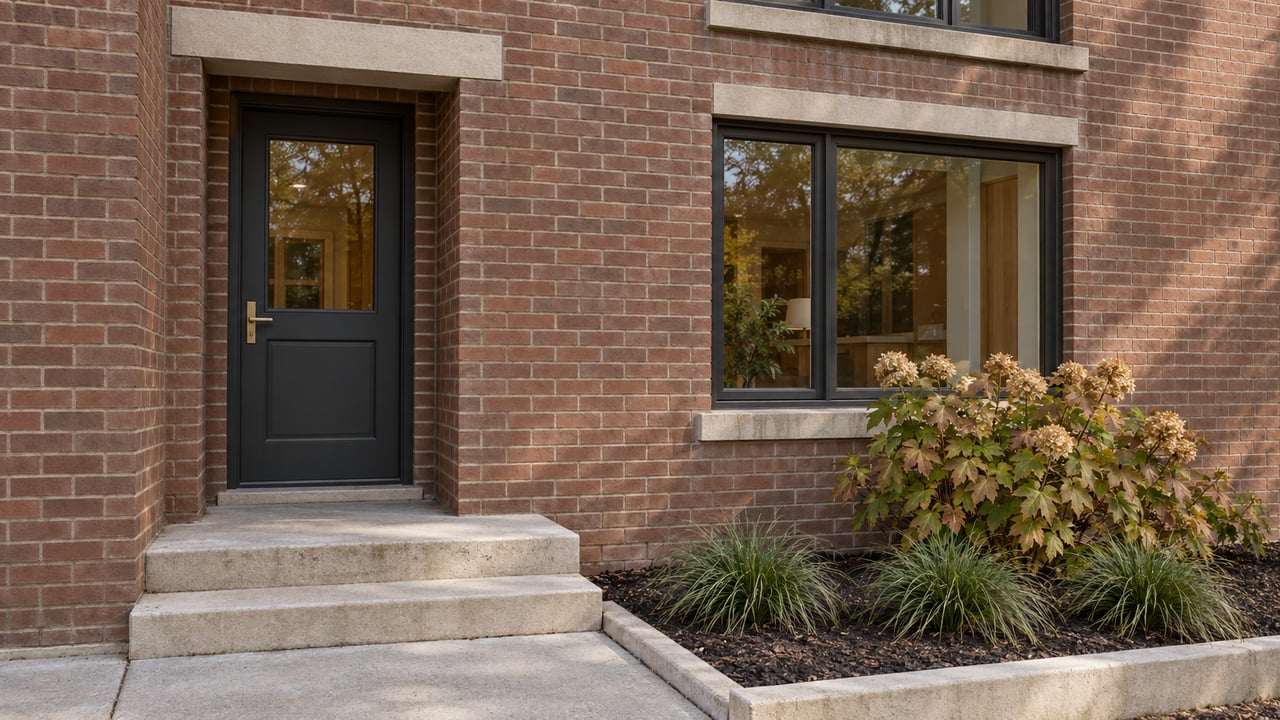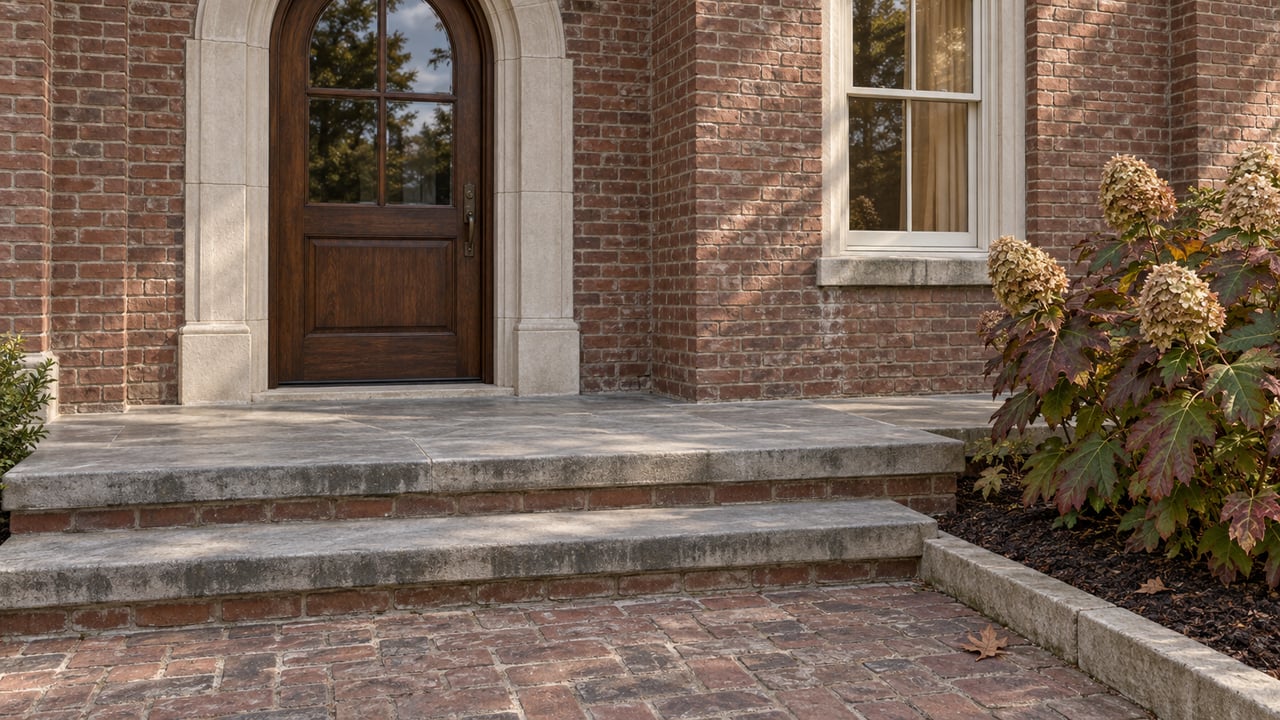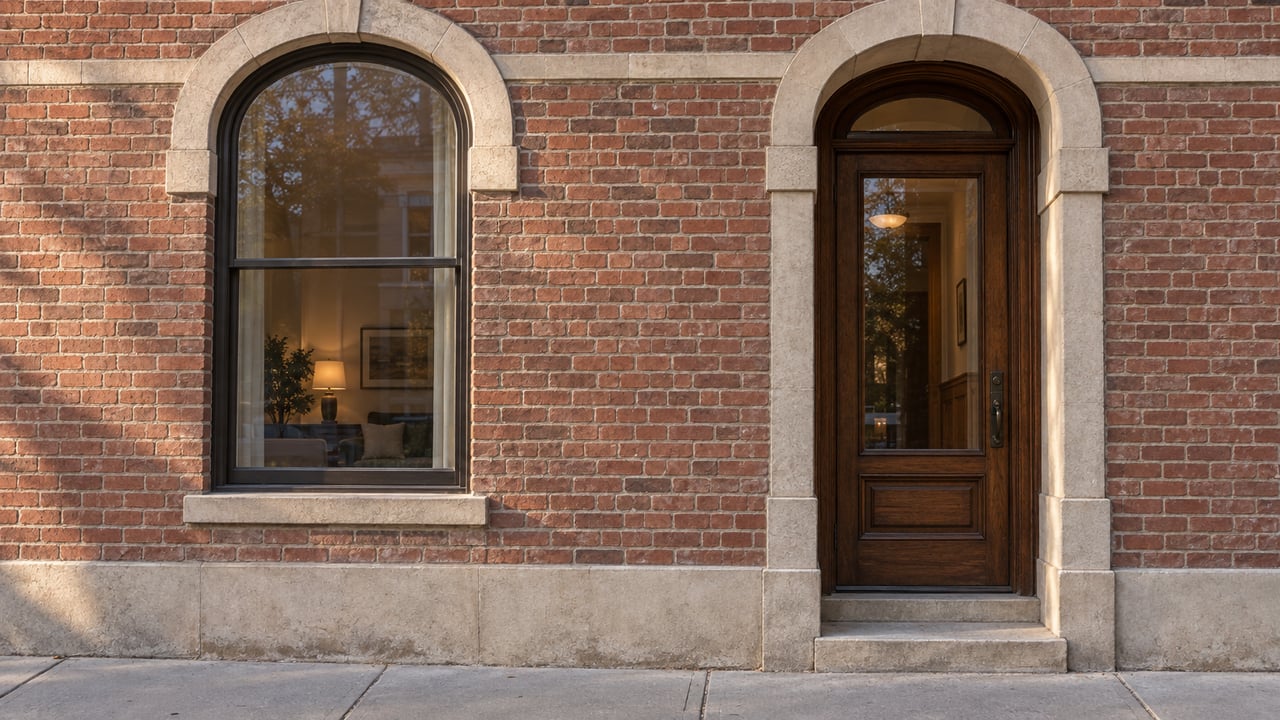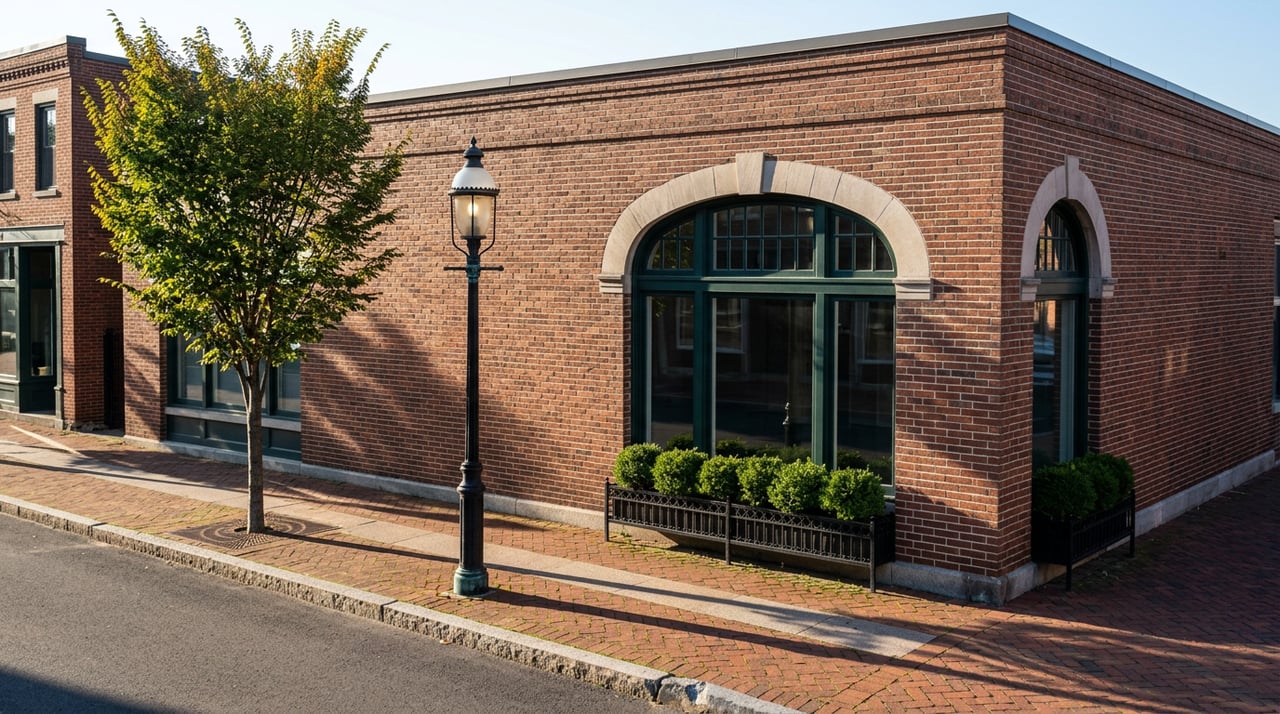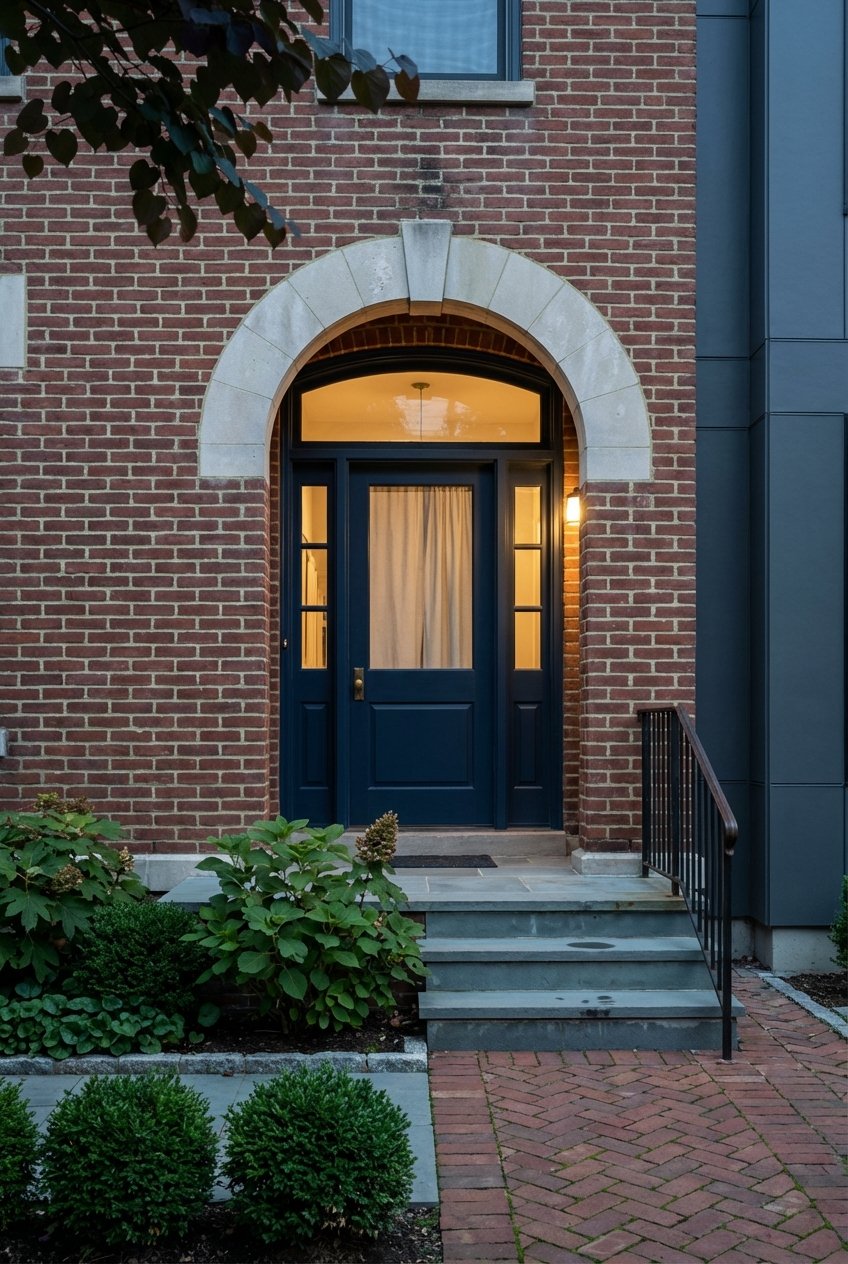
What if you could own a Victorian beauty near Eden Park and still enjoy the comfort, efficiency and convenience of a modern home? In Walnut Hills, you can. This neighborhood blends rich architecture with a wave of revitalization, giving you character, culture and practical upgrades in one place. In this guide, you’ll see what’s here now, how buyers and investors are approaching historic properties, and the smart ways to fund energy improvements without losing vintage charm. Let’s dive in.
Walnut Hills today
You’re on Cincinnati’s near‑east side, close to downtown and cultural anchors like Eden Park, the Krohn Conservatory and the Cincinnati Art Museum. The neighborhood’s core grew around Peebles’ Corner, where late‑19th and early‑20th‑century storefronts frame the streetscape. Several buildings and districts carry formal historic recognition, which shapes both what you can change and how you can finance a rehab. You can read more about the area’s fabric and listings on the Walnut Hills neighborhood overview.
Buyers find variety here. You’ll see single‑family Italianates and Queen Annes, early apartment buildings with handsome brickwork, midcentury condos with views, and adaptive‑reuse projects that brought housing back to classic commercial blocks. Transit lines touch the McMillan and Gilbert corridors, and some addresses sit within a quick walk or drive to parks and museums.
Housing mix at a glance
Walnut Hills offers a wide spread of options:
- Historic single‑family homes and rowhouses with ornate trim, tall windows and detailed brickwork. Many sit near the Taft, Gilbert and Eden Park edges.
- Adaptive‑reuse apartments and mixed‑use rehabs, like Trevarren Flats, that combined preservation with modern interiors.
- Midcentury and high‑rise condos, including river‑view buildings with amenities, which appeal to buyers who want elevator convenience and lock‑and‑leave living.
- Newer mixed‑use developments from long‑running efforts around Peebles’ Corner. Model Group’s Walnut Hills revitalization has paired historic tax credits with new construction across phases like Paramount Square and related projects, adding both market‑rate and affordable units.
Recent portal snapshots through late 2025 show median pricing in roughly the low‑to‑mid $200Ks, depending on the source and sample. Rents advertised in the neighborhood have often landed in the low $1,000s to $1,500s range, varying by building, size and finish. Use current MLS and rental data for any specific property decision, since numbers move with supply and renovation cycles.
Culture, food and daily life
Peebles’ Corner is the signal. Restored facades, new storefronts and creative tenants have raised the district’s profile, supported by the leasing and preservation work that underpins the Paramount Square blocks. Design lovers will notice the blend of old masonry and crisp new interiors across these projects, as documented by New Republic Architecture’s project notes.
You’ll also see art shaping the streetscape. ArtWorks has partnered with local stakeholders to install new murals that celebrate neighborhood identity, adding visual texture to the corridor. Learn more about the mural partnership through ArtWorks’ Walnut Hills project.
On the essentials front, a local grocer has stepped into the neighborhood mix. ETC Produce & Provisions opened a storefront in 2024 within the Paramount Launch complex, bringing a farm‑to‑neighborhood option back to the district. See their update on the ETC Produce & Provisions news page.
As with any rising food scene, concepts evolve. Some restaurants draw strong press, and a few later change direction or close. Expect a steady core of neighborhood fixtures with periodic turnover as new ideas test the market.
Owning and upgrading a historic home
If you’re drawn to Walnut Hills for its architecture, you can keep the charm and still improve comfort, costs and resilience. The key is to plan upgrades that respect the building’s character and, when relevant, align with preservation standards.
Know the preservation rules
If you pursue historic tax credits or your property lies within a listed district, the National Park Service’s Secretary of the Interior’s Standards guide what is considered acceptable work. That includes how you handle windows, trim, masonry and other character‑defining features. Review the Secretary’s Standards for Rehabilitation before committing to designs.
Start with low‑invasive efficiency wins
For many older homes, you’ll see fast comfort gains from a few targeted steps:
- Air seal gaps, especially at the attic plane and around penetrations.
- Add attic insulation and ensure proper ventilation.
- Seal ducts and address drafts at doors and foundations.
For an overview of common upgrades and how they interact with incentives, start with the Department of Energy’s home upgrades guide.
Treat original windows with care
Historic windows can often be repaired and paired with storms for performance similar to many replacements while preserving the facade. This approach reduces waste, maintains proportion and detail, and helps projects meet preservation standards.
Heat pumps and smart electrification
In tighter retrofits or partial rehabs, ductless or multi‑zone heat pumps can add efficient cooling and supplemental heat without major disruption. Heat‑pump water heaters and, when needed, panel upgrades can further cut energy use. Many of these upgrades can qualify for federal tax incentives when you use eligible equipment and file the right forms.
Incentives that help you pay for it
- Federal tax credits. The Residential Clean Energy Credit has provided a 30% credit on qualified costs for eligible systems through Dec. 31, 2025, subject to IRS guidance and any updates. Review eligibility and documentation on the IRS Residential Clean Energy Credit page. The Energy Efficient Home Improvement Credit can also support certain envelope, HVAC, water heating and panel improvements.
- Duke Energy programs. Duke Energy expanded several residential incentives and demand‑response programs in 2025, including HVAC and weatherization elements. Offerings vary by territory and change over time, so confirm current options directly with the utility. See Duke’s 2025 program update in their incentive news release.
- State and federal historic tax credits. For income‑producing properties, Ohio’s state program has paired with the federal Historic Rehabilitation Tax Credit to finance many Walnut Hills rehabs. These credits require a multi‑step application and strict adherence to preservation standards. Start with the Ohio History Connection’s historic tax credit guidance, and expect to engage a preservation architect.
Your quick retrofit roadmap
- Get an energy audit and scope low‑invasive air sealing and insulation first.
- Evaluate HVAC: consider heat pumps for cooling and efficient heat, even if you keep a hybrid approach.
- Plan window repair plus storms before full replacement.
- Confirm electrical capacity and panel space for future electrification.
- Align all visible work with preservation standards if your property is eligible for credits.
- Map your funding stack: federal credits, utility rebates and, for eligible income‑producing projects, historic credits.
Opportunities and watchouts for buyers and investors
You have several paths in Walnut Hills:
- Restore a historic single‑family or rowhouse with selective, high‑impact interior updates. This fits buyers who value original detail with modern comfort.
- Acquire an income‑producing property and pursue a certified rehabilitation. Many of the area’s most visible turnarounds have paired preservation with modern systems and retail. See the breadth of work in Model Group’s Walnut Hills revitalization.
- Choose a condo in a full‑service building near the park or business district. You get urban access with simplified maintenance and, often, views.
On community context, recent development has mixed market‑rate and subsidized units, with local organizations aiming to keep a balanced, community‑guided approach. The Walnut Hills Redevelopment Foundation and neighborhood stakeholders continue to weigh preservation, small‑business support and affordability in this next chapter. Expect ongoing conversations about food access, rents and local entrepreneurs as the district grows.
Condition and feel vary block to block. Do your due diligence on property condition and code history, and review neighborhood‑level safety data from official sources. A thoughtful inspection plan up front can save months and dollars later.
Due‑diligence checklist
- Verify comparable sales and current asking rents for your exact property type and block.
- Pull building permits, code enforcement history and scope of prior work.
- Confirm whether the building or district has historic designation and whether you plan to pursue credits. If yes, consult the Secretary’s Standards and the Ohio History Connection guidance.
- Order a lead‑paint and asbestos assessment for pre‑1978 structures.
- Schedule an energy audit and discuss envelope, HVAC and panel strategy aligned with DOE guidance.
- Confirm utility incentive eligibility and timing with Duke Energy based on the latest program details.
- For electrification and renewable options, review what qualifies on the IRS Residential Clean Energy Credit page and keep receipts and manufacturer certifications.
What this means for you
If you want a home with presence and patina, Walnut Hills delivers. The neighborhood’s historic fabric, cultural momentum and practical access to parks and downtown make it a compelling place to buy. With the right plan, you can preserve the pieces that give your home soul and still enjoy efficient systems, lower bills and everyday comfort.
You do not have to navigate that alone. Our team brings design‑informed guidance, renovation fluency and neighborhood knowledge to help you evaluate options, choose the right improvements and position your investment for the long run. Ready to tour or talk through a project path? Connect with Paige Von Hoffmann for a personalized plan.
FAQs
What makes Walnut Hills appealing to design‑minded buyers?
- You get classic architecture, adaptive‑reuse projects and proximity to parks and museums, all within a neighborhood that values preservation and thoughtful new energy.
Which upgrades add comfort to a historic Walnut Hills home first?
- Air sealing and attic insulation typically come first, followed by duct sealing and smart HVAC choices like heat pumps, per high‑level DOE guidance.
Can I replace original windows in a designated historic home?
- Often you can repair and add storm windows to boost performance while meeting the Secretary’s Standards; full replacement may risk credit eligibility.
What incentives can help me afford energy upgrades?
- Review the IRS Residential Clean Energy Credit and check Duke Energy’s current rebates; stack these with any applicable historic credits on income‑producing projects.
How do mixed‑income projects shape Walnut Hills’ growth?
- A combination of preserved buildings and new mixed‑use construction, including phases documented in Model Group’s revitalization summary, has added both market‑rate and affordable homes while supporting local retail and culture.