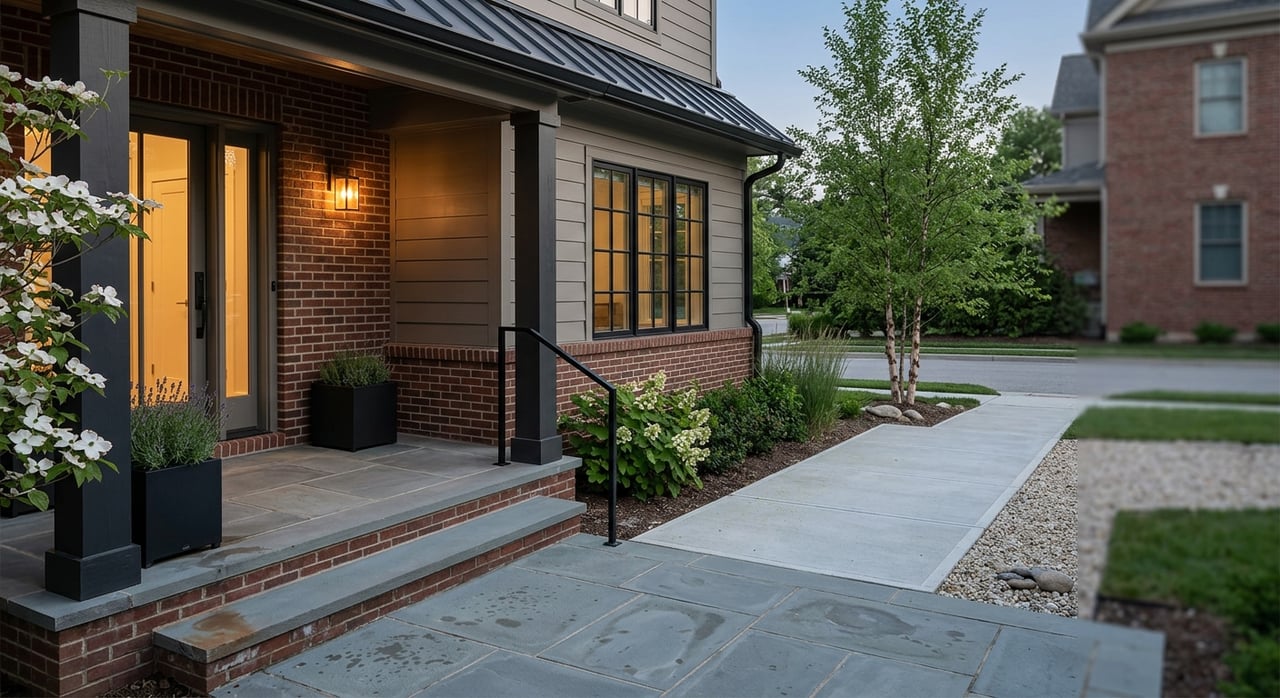
Looking for a newly built home in Oakley? You are not alone. Oakley continues to draw buyers who want a walkable Cincinnati neighborhood with updated housing options, but new construction here looks very different from a traditional subdivision. If you are considering a brand-new home or an infill property in Oakley, it helps to know what is being built, why it is being built here, and what details deserve a closer look before you buy. Let’s dive in.
Why Oakley attracts infill homes
Oakley has the kind of conditions that tend to support new construction in an established neighborhood. The city’s active Oakley Master Plan centers on pedestrian-safe streets, a thriving business district, green infrastructure, and sound planning principles.
That vision matters because Oakley is not a blank slate. According to the city’s Oakley zoning map, the neighborhood includes a wide mix of zoning districts, from single-family to multi-family, office, and commercial areas. In practical terms, that means infill opportunities can look very different from one block to the next.
Demand has also stayed strong. A Cincinnati Chamber neighborhood report shows Oakley added 692 housing units from 2010 to 2020, grew by 1,332 residents over the same period, and saw the typical home value rise by $158,037 from 2010 to 2023. While no one can promise future appreciation, those numbers help explain why builders and buyers continue to pay attention to Oakley.
What new construction looks like
In Oakley, new construction usually means urban infill, not large-lot suburban development. You will often see compact homesites, taller floor plans, attached or closely spaced homes, and a strong emphasis on low-maintenance living.
One of the clearest examples is Three Oaks at 2800 Robertson Avenue. Neyer describes it as a 30-acre residential site with more than 600 homes overall, including single-family, apartment-style, and senior-living uses. Within that larger development, Foundry Park includes 106 homesites.
Current Oakley new-home listings from WP Land Company show the type of features many buyers can expect in this part of the market: 2 to 4 bedrooms, 2 to 4 bathrooms, 3 to 4 stories, hardwood floors, nine-foot ceilings, open layouts, two-car garages, and in some cases elevator or rooftop options.
That product mix reflects how Oakley is evolving. Foundry Park is marketed with both single-family homes and townhomes, plus features like pocket parks, fire pits, limited customizable homesites, and a planned pedestrian tunnel to Oakley Station. For many buyers, that means a more connected, amenity-oriented lifestyle with less exterior upkeep than an older large-lot property.
Detached homes or townhomes?
The short answer is both. Oakley’s current new-construction market includes detached homes and townhomes, but there is a noticeable emphasis on vertical, urban-style homes.
If you are expecting a wide ranch on a deep lot, Oakley may not offer many options that match that picture. If you like modern layouts, multiple levels, attached garages, and the convenience of newer materials and systems, Oakley’s current inventory may feel like a much better fit.
This is one reason your home search should start with your lifestyle, not just square footage. A three-story townhome with rooftop space may live very differently from an older two-story house, even if the bedroom count looks similar on paper.
Why design matters in Oakley new builds
Infill homes ask you to evaluate space a little differently. Instead of focusing only on lot size, it often makes more sense to look at how the home uses vertical living, natural light, storage, and indoor-outdoor connections.
That is especially true in Oakley, where the newest homes often lean into design features that support everyday convenience. Open plans, two-car garages, rooftop options, and elevator options can all change how a home feels and functions over time.
For design-conscious buyers, customization may also matter. Chris Gorman Homes markets Foundry Park as a custom-home community with a design-build process and customizable sites, while WP Land emphasizes process transparency and local experience. Rather than trying to rank builders, it is smarter to compare what is actually customizable, what is preselected, and how each process fits your timeline and comfort level.
What to review before you buy
A new-construction purchase in Oakley can be exciting, but it also comes with details that deserve a careful review. Before you move forward, pay close attention to the following:
Zoning and approvals
The city recommends that buyers and property owners first check zoning and jurisdiction. The Permit Center coordinates review across multiple departments, and some projects may involve added review beyond a standard permit.
Depending on the parcel and proposed use, approvals may include variances, conditional uses, special exceptions, or planned-development review through the Zoning Hearing Examiner. If you are buying an infill property or considering any future changes, this step matters.
Parking realities
Parking is one of the biggest practical questions in Oakley. A 2023 city planning report on the proposed Oakley urban parking overlay notes that Oakley is a dense urban neighborhood with a thriving business district and frequent redevelopment opportunities, and it references multiple parking-related variances since 2017.
That does not mean parking will be a problem for every home. It does mean you should verify garage count, guest parking, and street-parking assumptions on a property-by-property basis rather than making broad assumptions.
Tax abatements
Some Oakley new homes may offer a meaningful tax advantage. The city’s residential tax abatement program can tax the pre-improvement value of new housing construction for up to 15 years.
Some Foundry Park marketing materials also reference LEED certification and a 15-year tax abatement for certain homes. Buyers should still confirm parcel-specific eligibility and current program details with the city before relying on projected savings.
Connected Communities
Cincinnati’s Connected Communities framework took effect on July 1, 2024. The city says it allows missing middle housing in targeted areas, reduces or eliminates minimum parking requirements in certain places, removes density restrictions in many of those same areas, and expands by-right permissions citywide.
For buyers, the key takeaway is simple: the broader planning environment is becoming more supportive of compact infill housing. Even so, each property still needs to be understood at the parcel level.
Oakley’s public improvements matter too
When you buy in an infill neighborhood, you are not just buying a house. You are also buying into the surrounding streetscape, infrastructure, and long-term neighborhood experience.
Oakley has seen public investment that supports that story. The city’s Oakley streetscape improvements widened sidewalks, added outdoor dining space, expanded the Geier Esplanade, and introduced pedestrian-scale lighting, street trees, benches, rain gardens, and traffic-calming features.
For buyers who value walkability and a polished neighborhood feel, those improvements are important. They help reinforce why Oakley continues to stand out among Cincinnati neighborhoods with strong business-district energy.
Trees, stormwater, and long-term livability
Some of the most important details in infill neighborhoods are easy to overlook. In Oakley, tree canopy and stormwater management deserve more attention than many buyers realize.
A city Oakley neighborhood profile lists tree canopy at 10.8% and parks and greenspace at 10.5%, and notes Oakley is below the citywide 40% canopy goal. That makes shade, landscaping, and runoff management relevant quality-of-life issues, especially for buyers comparing older homes to newer infill options.
Infrastructure upgrades are part of that story too. The city reports that the Oakview Pump Station upgrade was completed in 2020 to improve stormwater pumping capacity and reduce flooding risk for nearby properties. If you are comparing locations within Oakley, it is smart to keep drainage and site conditions in the conversation.
How to shop smart in Oakley
If you are serious about new construction or infill homes in Oakley, try to evaluate each option through a practical lens. The most helpful questions usually include:
- Is the home detached, attached, or part of a larger redevelopment plan?
- How much of the finish selection is still customizable?
- What is included in the base price versus an upgrade?
- How many parking spaces are truly dedicated to the property?
- Is there a tax abatement, and has eligibility been verified?
- What approvals shaped the project, and could future nearby development affect the block?
- How does the floor plan support your daily routine over multiple levels?
This is where design-informed guidance can make a real difference. A home that looks great online may function very differently once you think through stairs, storage, natural light, guest parking, and how the layout supports your lifestyle.
The bottom line on Oakley new construction
Oakley’s new-construction market is best understood as urban infill with strong neighborhood demand. You will typically find compact homesites, multi-level living, lower-maintenance features, and a close relationship to the neighborhood’s business district and public improvements.
That combination can be very appealing if you want a newer home in an established Cincinnati neighborhood. It also means you need to look closely at zoning, parking, customization, tax-abatement details, and the day-to-day livability of the design.
If you want a thoughtful, neighborhood-first strategy for buying or selling in Oakley, Paige Von Hoffmann brings boutique guidance, local market insight, and a design-minded perspective to help you evaluate what fits your goals best.
FAQs
What types of new construction homes are available in Oakley?
- Oakley new construction currently includes both detached homes and townhomes, with many properties featuring multi-level, low-maintenance, urban-style layouts.
What should buyers know about parking for Oakley infill homes?
- Parking can vary significantly by property, so you should verify garage spaces, guest parking, and street-parking expectations for each specific home.
Do Oakley new construction homes qualify for tax abatements?
- Some do, and Cincinnati’s residential tax abatement program can apply to new housing construction, but eligibility depends on the project and current city rules.
Why is Oakley seeing more infill development?
- Oakley combines strong housing demand, a mix of zoning districts, public investment, and planning support for walkability and redevelopment, which helps create opportunities for infill housing.
What approvals can affect a new build in Oakley?
- Depending on the parcel and project, a new build may involve standard permits as well as zoning variances, special exceptions, conditional uses, or planned-development review.
How should buyers compare Oakley builders and developments?
- Focus on customization options, included features, delivery timeline, parking, warranty details, and how the home’s layout fits your lifestyle rather than comparing builders by marketing alone.