Looking for a neighborhood that feels connected to downtown but has a distinct identity of its own? Pendleton offers that rare mix of historic character, compact city living, and easy access to some of Cincinnati’s most active districts. If you are thinking about moving to Pendleton, or simply want to understand what daily life looks like there, this guide will walk you through the housing, lifestyle, walkability, and practical tradeoffs. Let’s dive in.
Where Pendleton Sits In Cincinnati
Pendleton is a small, downtown-adjacent Cincinnati neighborhood located east of Over-the-Rhine, south of Prospect Hill, and north of the Central Business District, according to the Pendleton Neighborhood Council. City planning materials also place it east of OTR, north of downtown, and south of Mt. Auburn, which gives you a good sense of how closely tied it is to the urban core.
It is a compact neighborhood with roughly 1,050 to 1,100 residents based on city and neighborhood sources. At the same time, city profile data show a daytime population far larger than its resident count, which helps explain why the area can feel busy and active during the day.
Pendleton’s Overall Vibe
Pendleton feels urban, historic, and highly connected. The neighborhood council emphasizes public safety, recreation, preservation of communal spaces, the arts, and beautification, which supports the idea of Pendleton as a small but active neighborhood with a strong sense of place.
If you enjoy living close to restaurants, local businesses, and downtown amenities, Pendleton may feel very convenient. Public housing and city listing materials describe the neighborhood as being near attractions and other urban conveniences, which matches what many buyers and renters are looking for in a close-in city neighborhood.
Historic Character Shapes The Neighborhood
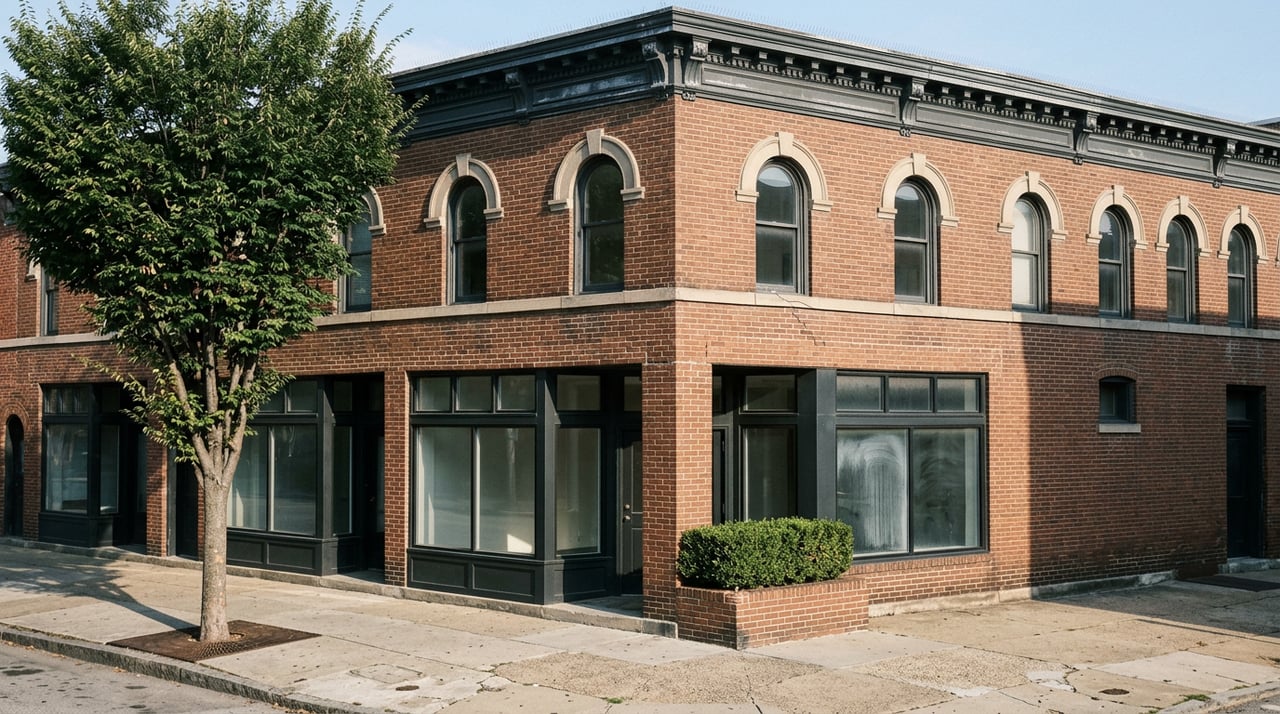
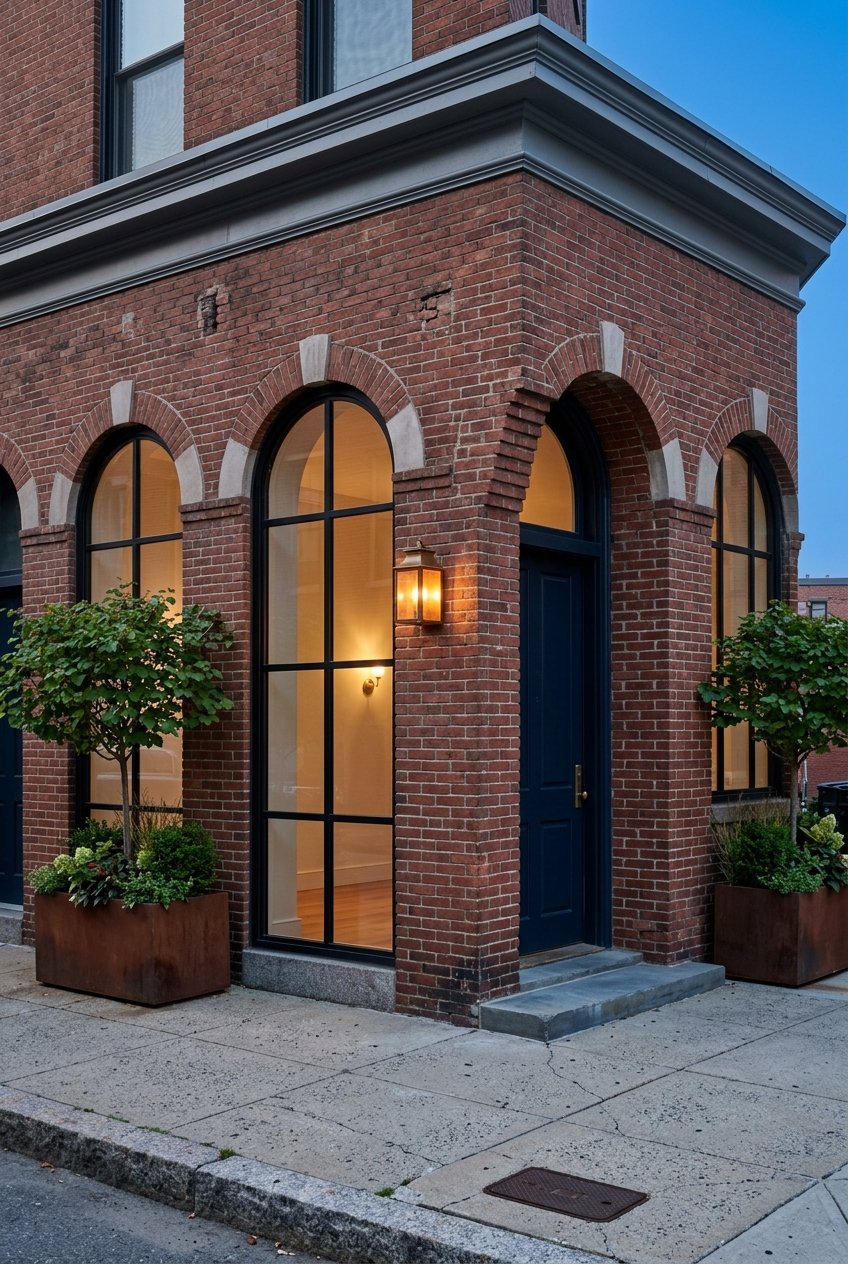
One of the first things you may notice about Pendleton is its architecture. The city describes Pendleton as sharing a dense collection of historic Italianate buildings with Over-the-Rhine, while also having almost no industrial uses, which gives the neighborhood a more residential and mixed-use feel in its built form.
Historic conservation documents also note that the broader Over-the-Rhine Historic District includes parts of Pendleton and reflects Cincinnati’s urban development from 1840 to 1941. In practical terms, that helps explain Pendleton’s pedestrian-oriented street grid, older brick buildings, and strong historic streetscape.
Pendleton formally split from Over-the-Rhine in 1987, so while the two neighborhoods share some visual similarities, they are not the same place. That distinction matters if you are researching location, housing stock, or neighborhood identity.
What Homes In Pendleton Look Like
If you picture rows of detached single-family homes, Pendleton may surprise you. The neighborhood’s housing mix is overwhelmingly made up of smaller multifamily buildings, including 3- to 4-unit buildings, 5- to 9-unit buildings, and 10- to 19-unit buildings, based on the city’s 2020 neighborhood housing data.
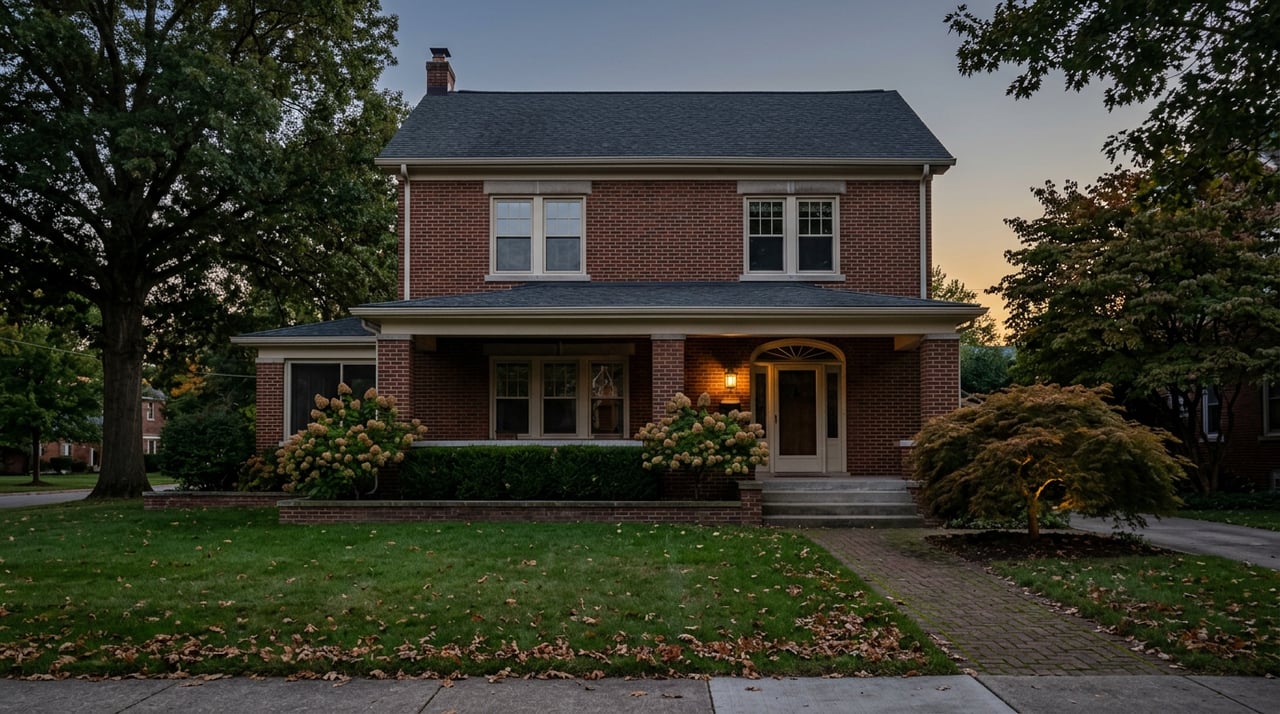
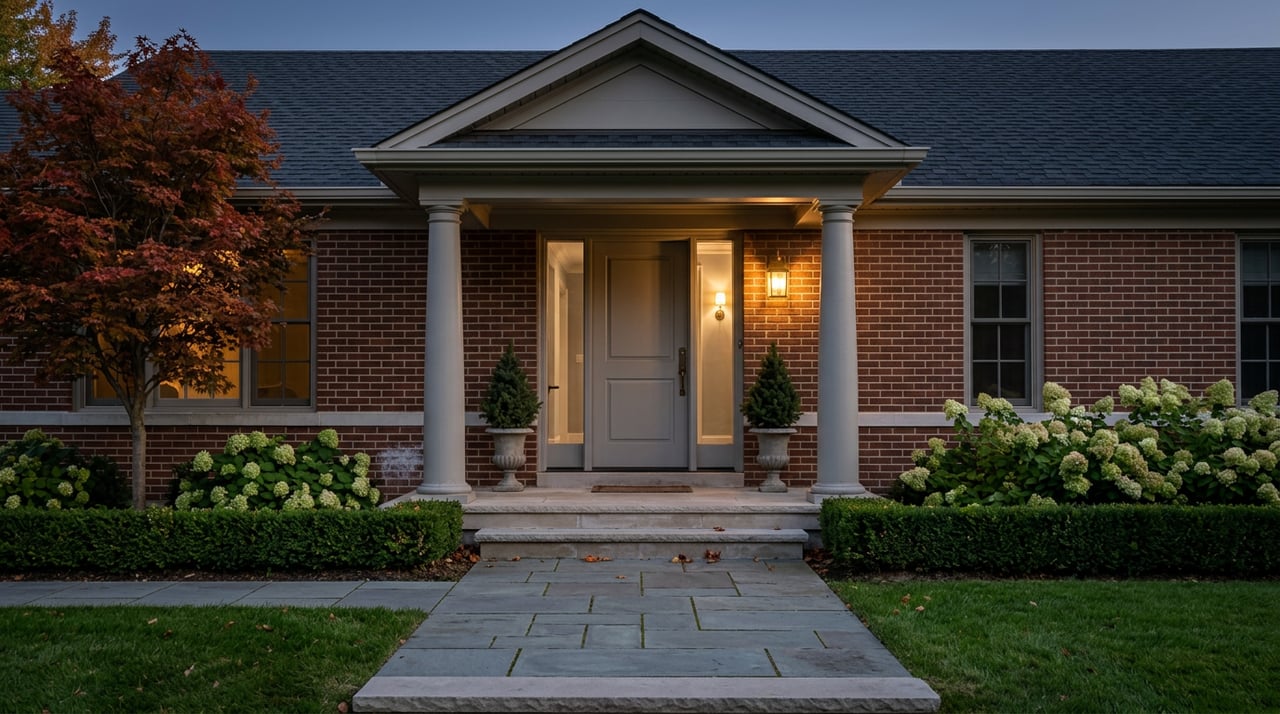
A safe way to describe the typical housing stock is this: historic walk-up flats, converted buildings, loft-style apartments, and some newer infill or mixed-income projects. Detached homes exist, but they represent a small share of the neighborhood’s inventory.
That means Pendleton often appeals to buyers and renters who want an urban home style rather than a traditional suburban layout. If you love exposed brick, tall windows, historic details, and the chance to live in a converted building, Pendleton may be worth a closer look.
Older Buildings Are A Big Part Of The Appeal
The same city housing file shows that 552 structures were built in 1939 or earlier. That older housing stock is a major reason the neighborhood feels distinctive, but it also means condition, maintenance, and renovation questions matter.
For buyers, that can mean paying attention to systems, building updates, and the realities of maintaining an older property. For sellers, it can mean being thoughtful about presentation, repair priorities, and how historic character is positioned in the market.
Loft And Adaptive-Reuse Options Stand Out
One notable example is Alumni Lofts, the former School for Creative and Performing Arts building at 1310 Sycamore. It is now a loft-apartment community that preserves historic details while offering modern apartment living.
Current public-sector housing listings also reinforce the broader pattern in Pendleton. Communities such as Bennett Point and renovated options like Cutter Apartments show how the neighborhood includes both preserved historic buildings and newer housing choices.
Renting Vs. Owning In Pendleton
Pendleton is a renter-heavy neighborhood. The city’s neighborhood profile reports that 73.6% of housing is renter-occupied, which is important context if you are deciding whether the area feels like a fit for your goals.
That does not mean ownership opportunities are absent. It simply means the neighborhood’s housing pattern leans more toward apartments, lofts, and smaller multifamily buildings than owner-occupied detached homes.
The same city profile reports a 2020 median gross rent of $1,044, a median owner-occupied value of $285,000, and median household income of $66,786. Those figures are best used as baseline neighborhood context rather than current pricing.
Walkability And Getting Around
If walkability matters to you, Pendleton stands out. The city’s climate-equity profile rates Pendleton as Most Walkable and says transit accessibility is Excellent, which supports a more car-light lifestyle than you may find in many other parts of the region.
The free Cincinnati Connector streetcar runs a 3.6-mile loop between The Banks, Downtown, and Over-the-Rhine, serving 18 stations with 15-minute service. For some residents, that can make it easier to move between work, dining, entertainment, and nearby neighborhoods without relying on a car for every trip.
That said, car-free living depends on your job, routines, and preferences. Pendleton can support a more urban transportation pattern, but your experience will still vary based on where you need to go each day.
Arts, Entertainment, And Nearby Amenities
Pendleton has a strong arts-and-entertainment identity. Downtown Cincinnati’s district guide highlights Pendleton’s connection to the Pendleton Art Center, Bell Event Centre, and Ziegler Park Lawn, all of which help shape the neighborhood’s creative and social energy.
Its location also places you near broader downtown attractions. The same downtown source connects nearby districts to Music Hall, Historic Findlay Market, Union Terminal, and FC Cincinnati’s stadium, which adds to Pendleton’s appeal if you want easy access to events and city activity.
For many buyers, this is one of Pendleton’s biggest lifestyle advantages. You are choosing proximity, movement, and urban experiences over a quieter, more spread-out residential setting.
Tradeoffs To Know Before You Move
Every neighborhood comes with tradeoffs, and Pendleton is no exception. City profile data show very low tree canopy coverage at 0.7% and limited park and greenspace acreage at 3.5% of land area, so this is not the place to expect a leafy, park-heavy environment.
The same city profile also flags extreme traffic exposure and potential lead-paint exposure in older buildings. If you are considering buying or renting in Pendleton, those are practical points to keep in mind when evaluating comfort, condition, and long-term maintenance.
In simple terms, Pendleton offers a dense historic urban setting with convenience and character, but less buffering from traffic and less greenspace than many residential neighborhoods farther from downtown.
What Buyers Should Consider
If you are buying in Pendleton, it helps to focus on three things: building type, condition, and lifestyle fit. A loft or converted flat can be a great match if you value walkability, architecture, and downtown access, but it may feel very different from a detached home in a quieter area.
Because so much of the housing stock is older, pay attention to renovation quality, major systems, exterior condition, and any known maintenance needs. If you are comparing several properties, it can also help to think beyond square footage and ask how each home supports the way you actually want to live.
What Sellers Should Know
For sellers, Pendleton’s historic setting can be both an advantage and a responsibility. Buyers are often drawn to original details, brick facades, and distinctive architecture, but exterior changes in designated historic areas may require review through the city’s Certificate of Appropriateness process.
That is especially important if you are planning facade changes, additions, demolition, or other exterior work before listing. A thoughtful strategy around repairs, updates, and presentation can help you highlight historic character while avoiding surprises.
Is Pendleton Right For You?
Pendleton may be a strong fit if you want a neighborhood that is close to downtown, rich in historic character, and oriented toward urban living. It can especially appeal to people who value lofts, renovated buildings, walkability, arts access, and a compact lifestyle.
It may be less ideal if your priority is a larger detached home, abundant greenspace, or a quieter residential feel. The right fit comes down to how you want your day-to-day life to look and what type of home experience feels most natural to you.
If you are considering a move to Pendleton, the best next step is to look at the housing options through both a lifestyle and property-condition lens. Paige Von Hoffmann can help you evaluate Pendleton homes, renovation considerations, and neighborhood fit with a concierge-style, local approach.
FAQs
Is Pendleton the same as Over-the-Rhine?
- No. The city says Pendleton formally split from Over-the-Rhine in 1987, even though the two neighborhoods share historic architecture and a close location.
Can you live in Pendleton without a car?
- Possibly. Pendleton is rated Most Walkable by the city and has Excellent transit accessibility, with access to the free Cincinnati Connector streetcar.
What type of homes are common in Pendleton Cincinnati?
- The most typical options are small multifamily buildings, loft-style apartments, converted historic properties, and some newer infill or mixed-income housing.
What should buyers know about older Pendleton properties?
- Many buildings were built decades ago, so buyers should pay attention to condition, maintenance needs, older systems, and possible lead-paint considerations.
What should sellers know about historic rules in Pendleton?
- Exterior changes on designated landmarks or properties in local historic districts may require city review through a Certificate of Appropriateness process.