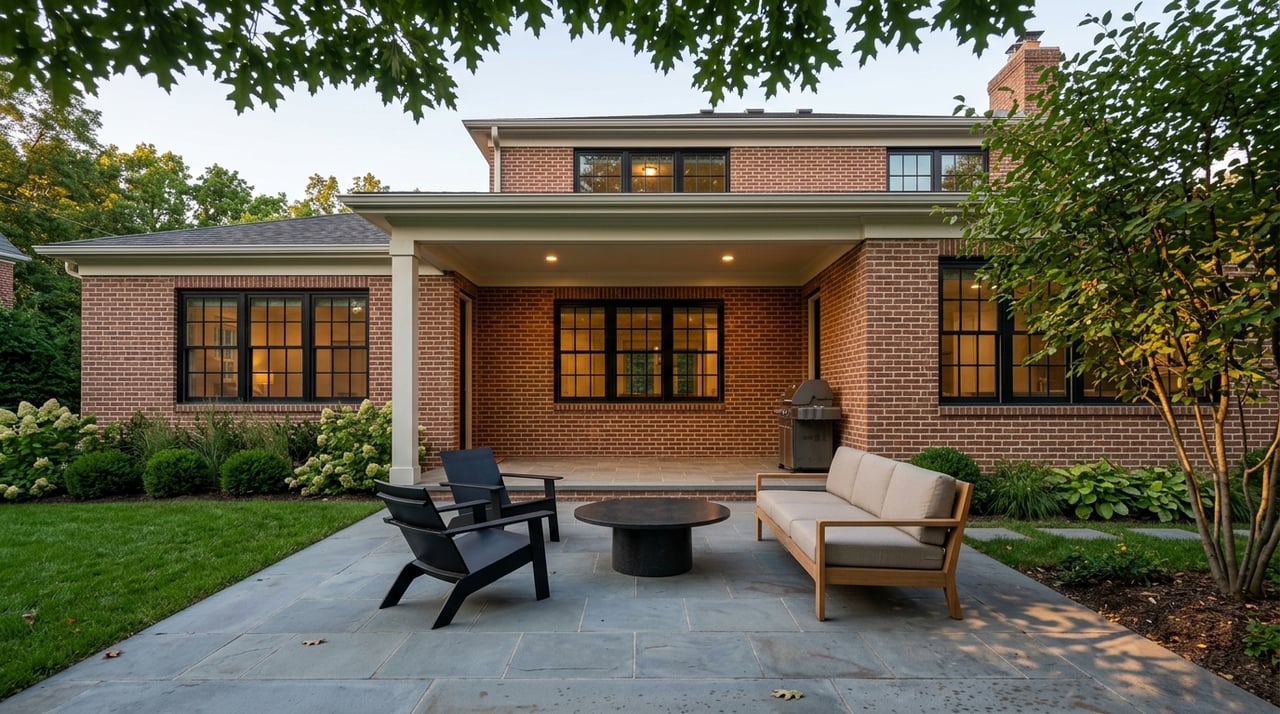
If your ideal neighborhood includes room to breathe, easy access to nature, and a commute that still feels practical, Anderson Township deserves a closer look. In Anderson Hills, everyday life is shaped by rolling terrain, established homes, and outdoor spaces that are built into the weekly routine instead of saved for special occasions. If you are considering a move or simply trying to picture what daily life feels like here, this guide will help you see how outdoor living connects to housing, errands, and community rhythm. Let’s dive in.
Why outdoor living stands out here
Anderson Township has a setting that feels distinctly tied to the landscape. Township information highlights its rolling, wooded topography and scenic vistas, with the Little Miami and Ohio Rivers shaping the area’s natural backdrop.
That outdoor identity is not just visual. It shows up in how people use the area day to day, from neighborhood walks and bike rides to time spent in parks and greenspace close to home.
For many buyers, that balance is the draw. You get an established suburban environment with practical access to downtown Cincinnati, while still living in a place where open space plays a visible role in daily life.
Parks make everyday routines easier
Anderson Park District adds real convenience to the lifestyle here. The district covers more than 500 acres, includes nine parks and the Anderson Parks RecPlex, and offers amenities like hike and bike trails, athletic fields, a 15,000-square-foot skatepark, and a 4-acre off-leash dog area.
That means outdoor time can fit into regular routines without much planning. A quick walk after dinner, a dog outing before work, or a park stop on the weekend can feel easy rather than like a major outing.
One example is Juilfs Park, a 28-acre park with a farm-themed playground, water play, tennis courts, ball diamonds, and a one-mile paved trail. Spaces like this help explain why outdoor living in Anderson Hills feels practical and consistent.
Trails connect more than parks
Trails are a big part of how Anderson functions. The township adopted its Anderson Trails plan in 1999 to connect parks, schools, libraries, retail, and other destinations, and more than 23 miles of Anderson Trails have been built.
The park district notes that the system includes gravel, nature, and paved trails for biking and walking. That variety gives you options whether you want a quick paved route, a casual walk, or a more natural setting.
For buyers comparing suburban areas, this is an important difference. Trails here are part of the local structure, not just a bonus feature tucked into one development.
Regional access expands your options
The outdoor story goes beyond neighborhood parks. The township describes the Ohio River Trail as a 14-plus-mile multimodal trail linking downtown Cincinnati through Anderson to New Richmond, and the Little Miami Scenic Trail also runs through the township.
That broader access can shape your weekends in a simple way. You can stay close to home for a short ride or walk, or use the regional trail network when you want a longer outing.
River access adds another layer. Bass Island River Access in Anderson Township provides a canoe and kayak launch point and access to the Little Miami Scenic Trail for walking, running, and riding.
Greenspace keeps the setting intact
One reason Anderson Hills feels different from a purely built-out suburb is the amount of preserved natural land. Township materials say the Greenspace program protects more than 780 acres across 72 parcels.
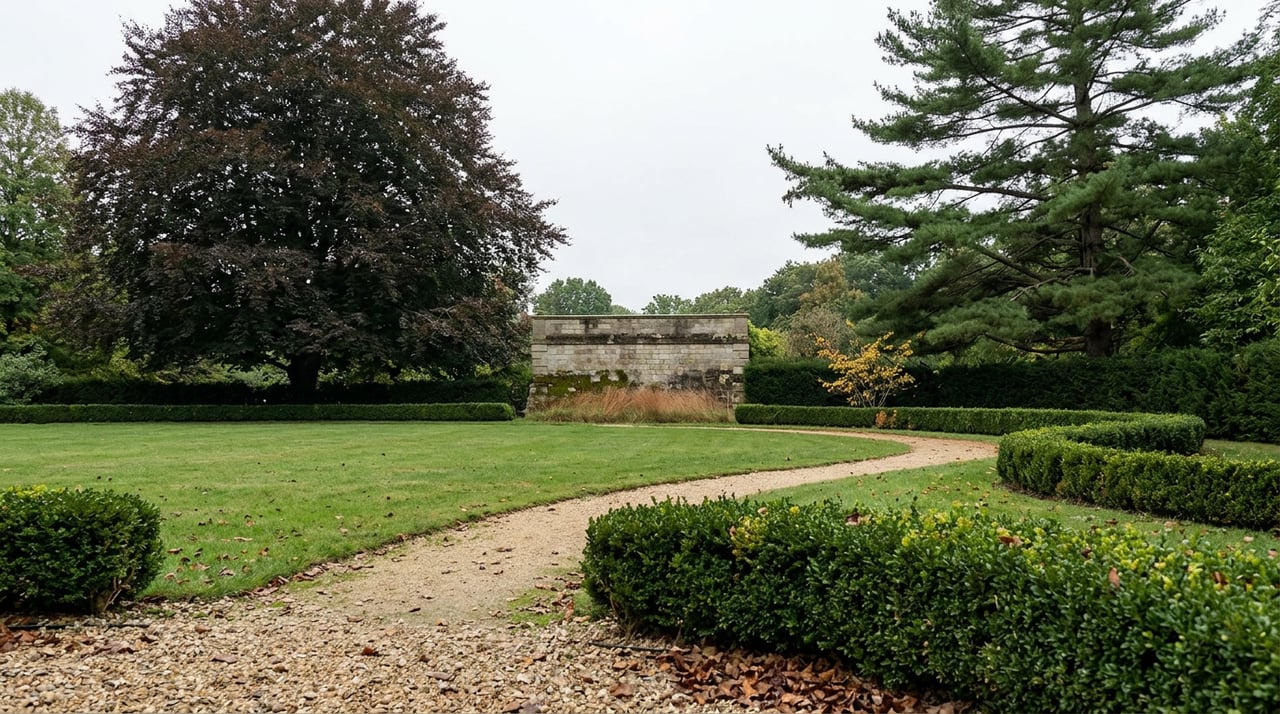
That preservation matters because it helps maintain wooded hillsides, scenic views, and a sense of natural separation between daily activity and the surrounding landscape. Residents can use these natural areas for hiking and to take in views over both the Ohio and Little Miami rivers.
When you think about lifestyle, this matters as much as square footage. The feel of a place is shaped by what stays open, visible, and accessible around you.
Housing feels established and varied
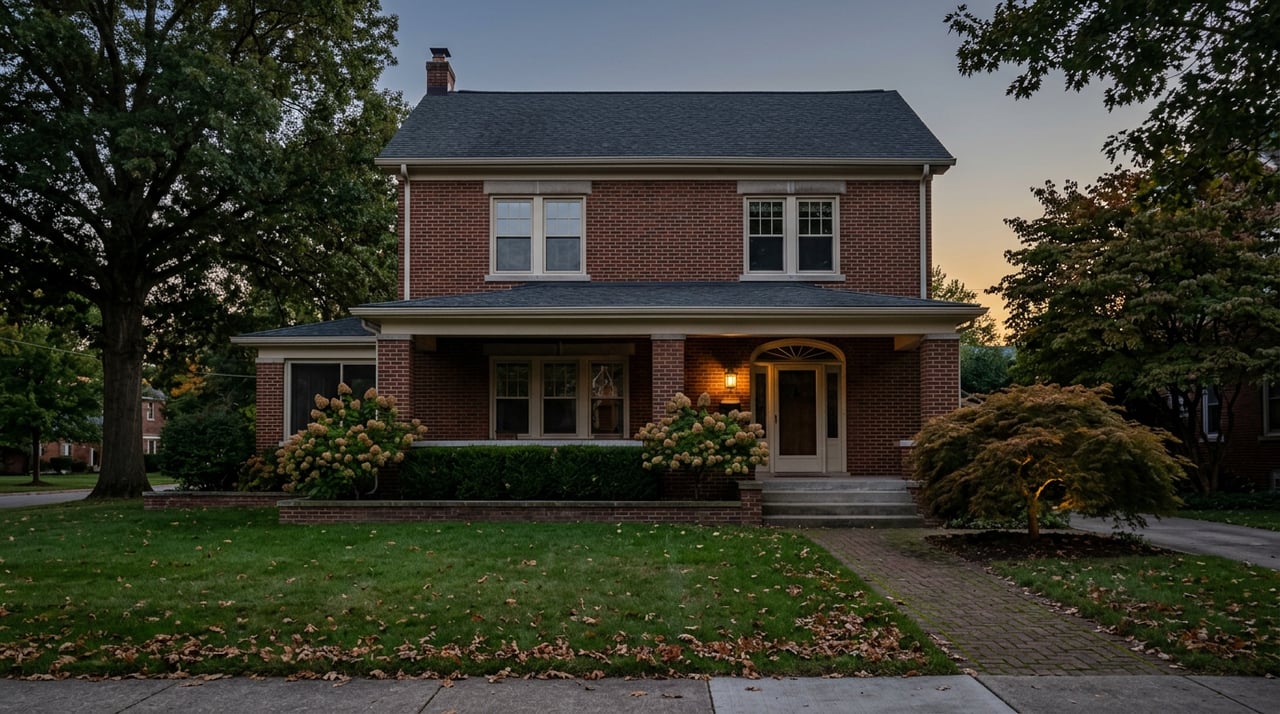
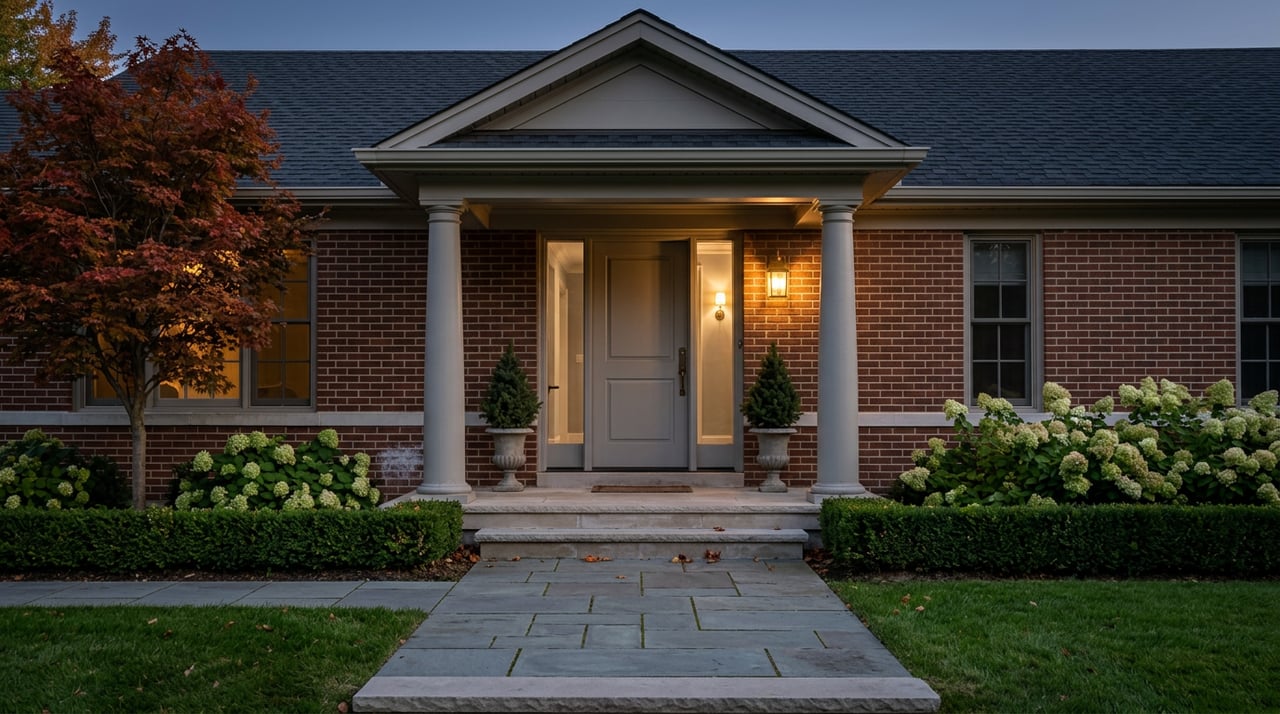
If you are trying to picture the homes in and around Anderson Hills, the broad pattern is established suburban housing. Township materials describe a mix of homes on rolling hills, landscaped subdivisions, large wooded estates, starter homes, apartments, and townhomes.
That range gives buyers more than one path into the area. You may be looking for a home with yard space, a lower-maintenance townhome option, or an established property with renovation potential.
The housing stock also reflects the township’s growth history. Township sources note that most homes were built between 1970 and 2000, with major growth in the 1970s and 1980s, while about 100 new housing starts still occur each year.
What that means for buyers and sellers
For buyers, established housing often means mature landscaping, more settled streetscapes, and homes with distinct layouts and lot patterns. In a place like Anderson Hills, that can appeal if you want a neighborhood that already feels lived in rather than one that is still taking shape.
For sellers, the established nature of the housing stock can also create opportunity. Thoughtful presentation, strategic updates, and design-aware preparation can help a home stand out when buyers are comparing age, condition, and style.
This is where local guidance matters. In an area with a mix of classic suburban homes, wooded settings, and varied property types, understanding what to improve and what to leave alone can make a meaningful difference.
Commute and errands stay practical
Outdoor appeal matters, but so does real-life convenience. Township materials say Anderson has ready access to I-275, and the new resident guide describes it as barely 15 minutes from downtown Cincinnati.
Beechmont Avenue serves as the major thoroughfare connecting much of the area to Columbia Parkway and downtown. The current ACS profile puts the mean travel time to work at 23.7 minutes, which supports the idea of a manageable suburban commute pattern.
This is not a walk-to-work environment, and that is helpful to know upfront. The lifestyle here is better understood as car-oriented suburban living with access to recreation, shopping, and regional routes that support everyday efficiency.
Daily logistics matter too
Small details often shape how a neighborhood feels once you live there. Anderson maintains more than 122 miles of township streets and highlights quick snow clearing, which can matter during winter commuting, school drop-off, and errands.
That kind of public works support is not flashy, but it is part of quality of life. It helps daily routines feel more reliable across seasons.
Community life fills in the picture
Outdoor living in Anderson Hills is not only about trails and parks. It is also tied to recurring events, recreation programs, and community habits that bring people out into shared spaces.
Anderson Park District says it offers more than 50 classes, leagues, programs, and events each year for preschoolers through senior adults. Annual programming includes summer day camp, fitness, sports, arts and crafts, and seasonal events like Egg Hunts, A Fair of the Arts, the MariMac Pumpkin Patch, and Visit with Santa.
The township also highlights events such as the Independence Day Parade, Greater Anderson Day Festival, Holiday Festival, community cleanup, and Garden and History Tour. The parade alone draws about 10,000 spectators.
A place shaped by routines
Taken together, these details point to a lifestyle that often happens close to home. A normal week can include a trail walk, a park visit, a quick errand run, and a local event without needing much advance planning.
That rhythm matters if you are relocating or narrowing your search within Greater Cincinnati. It gives you a clearer sense of how a neighborhood supports the way you actually live, not just how it looks on a map.
Why Anderson Hills appeals to many buyers
For some buyers, the appeal starts with nature. For others, it is the practical commute, established housing, or the mix of parks and community programming.
Anderson Township had 43,867 residents in the current ACS profile, with a median household income of $121,661, an average household size of 2.6, and a median owner-occupied home value of $355,500. It also shows relatively low recent mobility, with only 6.8 percent of residents moving in the prior year, which suggests a stable community where many households stay for years.
If you are looking for a neighborhood that combines suburban convenience with a strong outdoor identity, Anderson Hills offers a compelling mix. It feels established, usable, and connected to the landscape in a way that can be hard to replicate.
Whether you are buying, selling, or relocating within Greater Cincinnati, understanding how a place lives day to day can help you make a more confident move. If you want tailored guidance on Anderson Hills and nearby neighborhoods, connect with Paige Von Hoffmann for concierge-style support backed by local insight and design-minded advice.
FAQs
What is outdoor living like in Anderson Hills?
- Outdoor living in Anderson Hills is built around nearby parks, trail access, greenspace, and river access, making walks, bike rides, dog outings, and park time part of everyday life.
How far is Anderson Township from downtown Cincinnati?
- Township materials describe Anderson as barely 15 minutes from downtown Cincinnati, and the mean travel time to work is 23.7 minutes.
What kinds of homes are common in Anderson Hills?
- The area is best known for established suburban housing, including homes on rolling hills, landscaped subdivisions, wooded estates, starter homes, apartments, and townhomes.
Are there enough parks and trails near Anderson Hills?
- Yes. Anderson Park District includes more than 500 acres across nine parks, and the township says more than 23 miles of Anderson Trails have been built.
Does Anderson Township have river access for kayaking or canoeing?
- Yes. Bass Island River Access in Anderson Township offers a canoe and kayak launch point and access to the Little Miami Scenic Trail.
What makes Anderson Hills attractive for relocation buyers?
- Many relocation buyers are drawn to the combination of established neighborhoods, practical access to downtown Cincinnati, preserved greenspace, and a community rhythm shaped by parks, events, and everyday convenience.