Spotting a great Cincinnati listing is one thing. Reading it like an agent is what helps you avoid wasted showings, move faster when the right home appears, and ask smarter questions before you fall in love with the photos. If you are buying in Greater Cincinnati, a listing is more than a highlight reel. It is a set of clues about availability, timing, condition, and what still needs to be verified. Let’s break down how to read a Cincinnati real estate listing with more confidence.
Start With MLS Status
The first field to check is the listing status. In the Greater Cincinnati area, CincyMLS rules shape what each status actually means, and those labels matter more than many buyers realize.
If a property is Active, it is available for sale, open for showings, and ready to accept offers. If it is Pending, there is an accepted contract in place, although backup showings or backup offers may still be possible depending on the listing. That distinction can save you time and help you decide whether a home is truly worth pursuing.
What Common Statuses Mean
According to the CincyMLS listing maintenance guide, here are the statuses you are most likely to see:
- Active: Available for showings and offers
- Pending: Under contract, with possible backup opportunities depending on the listing
- Coming Soon: Listed by a broker, but not yet available for showings or offers
- Withdrawn: Showings are paused for more than three consecutive days and the listing is removed from data feeds while withdrawn
- Under Construction: Used for new construction or major rehab homes and does not accumulate DOM while in that status
You may also run into Delayed Marketing or Office Exclusive situations. Per CincyMLS regulations, these are more restrictive listing types where public marketing may be delayed or not allowed at all.
Why Status Matters in Cincinnati
CincyMLS covers a broad local footprint, including Hamilton County and surrounding counties in Greater Cincinnati. That means the same status framework applies whether you are searching in city neighborhoods or nearby suburbs. Once you know how to interpret status correctly, you can compare listings more accurately across the region.
Watch the Listing Clock
After status, look at how long the home has been on the market. In CincyMLS, the metric is Days on MLS, not the older Days on Market label many buyers still use. The CincyMLS DOM guidance explains that the clock starts when a listing is entered into MLS, and for Coming Soon listings, DOM starts on the showing start date.
That sounds simple, but the full story matters. A home may look new online while actually having a longer listing history behind the scenes.
DOM vs CDOM
CincyMLS also tracks CDOM, or cumulative days on market. If a property is relisted with less than a 30-day gap, CDOM can continue to add up. If it has been off market for 31 days or more, CDOM resets.
This is why a fresh-looking listing is not always a truly fresh listing. If you want the full context, ask your agent to look beyond the public-facing number.
Use DOM as a Local Signal
Days on market only mean something when you compare them to the local pace. Recent Greater Cincinnati market reports show median days on market at 26 in December 2025, 15 in January 2026, and 11 in February 2026, while active inventory increased in each report.
That tells you the market has still been moving quickly, even as conditions have become a bit more balanced. So if a Cincinnati listing has been sitting much longer than that, it does not automatically mean something is wrong. It may simply mean the price, condition, presentation, or timing needs a closer look.
Decode the Shorthand
Real estate listings are full of abbreviations, and some of them are useful once you know what they mean. Realtor.com’s glossary includes common terms like 4B/2B, FP, Hdwd, W/D, BOM, and AWC.
Still, the smartest way to read shorthand is to treat it as a clue, not a guarantee. Abbreviations can help you scan quickly, but they should not replace a close review of the photos, remarks, disclosures, and in-person visit.
Bathroom Labels Matter
Bath labels are one of the easiest places to misread a listing. According to Realtor.com’s definitions:
- Full bath: toilet, sink, and bathtub
- Three-quarter bath: toilet, sink, and shower
- Half bath: toilet and sink only
That difference matters if you need a tub, want a guest powder room, or are comparing homes by function rather than just bedroom and bath totals.
Bedroom Count Is a Starting Point
Bedroom counts deserve extra caution. Realtor.com notes that definitions can vary by place, even though a bedroom usually implies a sleeping area with a window and closet.
In practical terms, that means the number in the listing is a lead, not the final word on how a room will work for you. If you need a true bedroom, a home office, or flexible guest space, verify the layout in person.
Read the Remarks Carefully
The public remarks section can be surprisingly helpful, but you need to read it with the right lens. Sometimes what is not said is just as important as what is included.
Per the CincyMLS listing guide, listing remarks have compliance rules. Agent ownership interest must be disclosed, subjective school-district praise is not allowed unless tied to an authoritative ranking or award, and generic amenity terms should be used instead of brand names.
Why Some Remarks Sound Vague
If a listing sounds polished, careful, or a little vague, that does not automatically signal a problem. Sometimes it simply reflects MLS compliance. In other words, omission is not proof of a hidden defect.
At the same time, vague wording should encourage you to ask better follow-up questions. If terms like “updated,” “spacious,” or “move-in ready” appear without much detail, ask what was updated, when it was done, and what records are available.
Watch for Red Flags
Housing ads must follow fair housing laws. HUD guidance and Ohio law prohibit discriminatory advertising, so language that suggests a preference for or limitation on protected classes is not neutral marketing copy. It is a red flag.
For buyers, that is less about decoding value and more about recognizing whether the listing language is professional, compliant, and trustworthy.
Look Beyond the Photos
Great listing photos help you notice style, natural light, and finish level. They can also flatten flaws, hide awkward layouts, and make rooms feel larger than they are. This is where a design-aware mindset helps.
Use the photos to form questions, not conclusions. If a kitchen looks updated, ask whether the improvements were cosmetic, functional, or both. If a lower level appears bright, pay attention to window size, ceiling height, and how the space connects to the rest of the home.
Compare Photos to the Facts
When you review a listing, compare the visuals to the room count, bath labels, and written remarks. If the numbers and images do not seem to line up, that is worth clarifying before you schedule a showing.
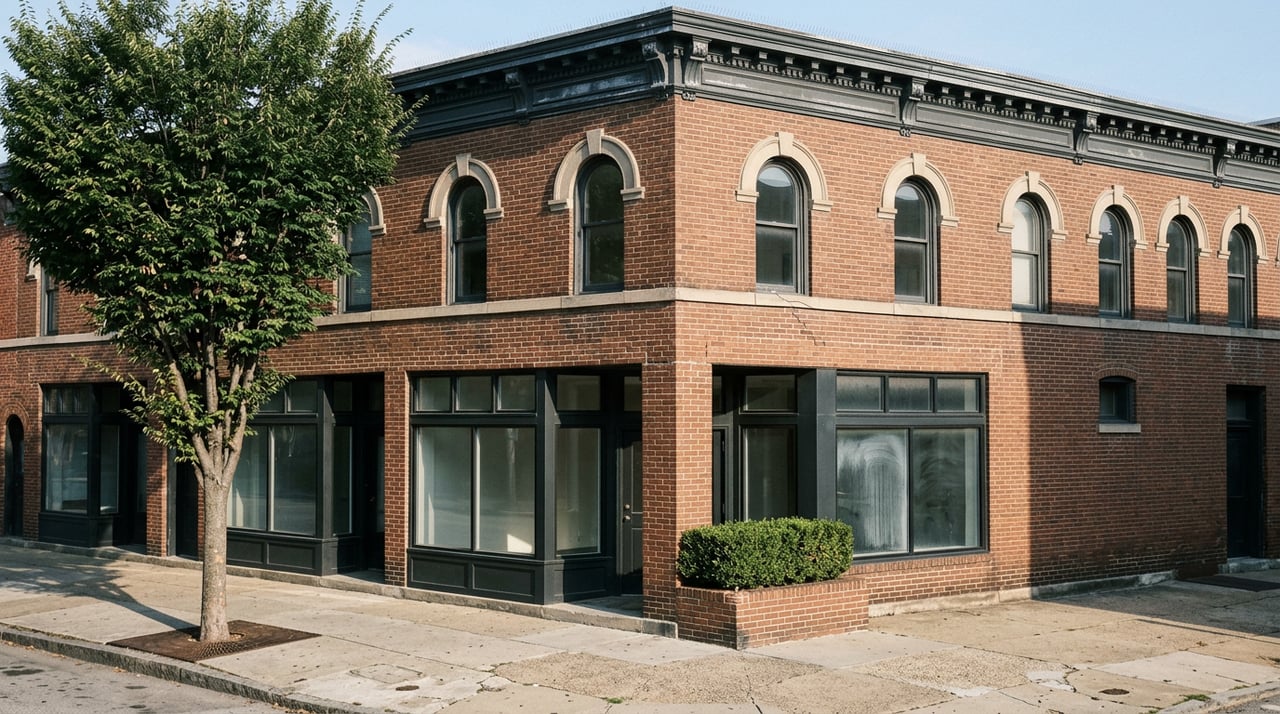
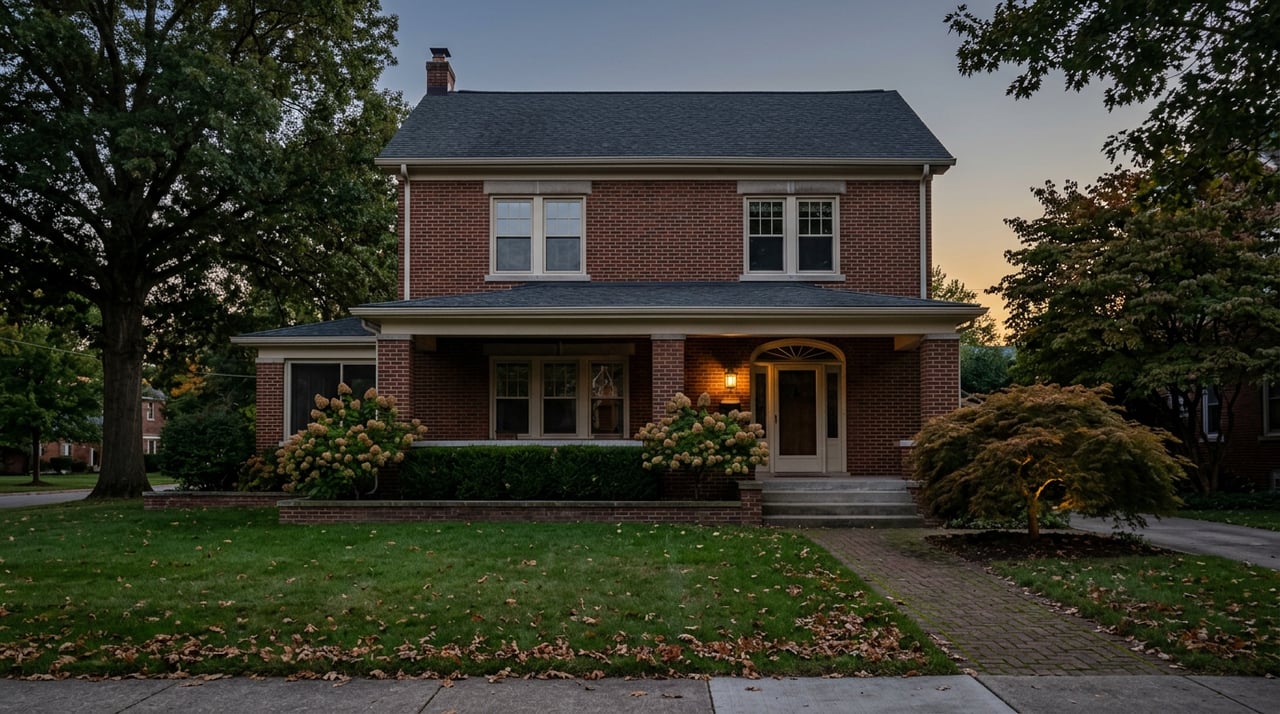
This matters in Cincinnati, where housing stock can vary widely from block to block, from historic urban homes and condos to suburban new builds and renovated properties. A thoughtful read of the listing can help you spot whether the presentation matches the actual function.
Verify Condition in Person
A listing is a marketing tool. It is not a warranty. Ohio’s residential property disclosure law requires sellers to disclose known issues with items like water supply, sewer, roof, foundation, walls, floors, and hazardous materials, but the law also states that the disclosure is not a substitute for inspections.
That is why serious buyers should always verify the home in person and review the documents carefully.
What to Check During a Showing
A practical in-person checklist includes:
- Whether the actual layout matches the photos
- How much daylight the home gets
- Closet and storage space
- Street or interior noise
- Parking setup and ease of access
- Basement condition and mechanical areas
- Overall finish level and upkeep
This type of review helps you move beyond the marketing layer and see how the property will function in real life.
Ask Better Questions Before You Offer
Once you understand status, timing, remarks, and condition clues, you can ask much better questions. Instead of asking only whether you like the house, ask whether the listing data supports the price, whether the home has been repositioned before, and which details still need verification.
That is the difference between browsing and buying strategically. In a fast-moving market like Cincinnati, that extra layer of interpretation can help you move with more clarity and less stress.
If you want help reading listings, comparing neighborhoods, or evaluating a home’s design potential, Paige Von Hoffmann offers a boutique, concierge-style approach backed by deep local knowledge and practical renovation insight.
FAQs
What does Active mean on a Cincinnati real estate listing?
- In CincyMLS, Active means the property is available for sale, open for showings, and ready to accept offers.
What does Coming Soon mean for a Cincinnati home listing?
- In CincyMLS, Coming Soon means the home is broker-listed but not yet available for showings or offers, and it may remain in that status for up to 10 calendar days.
What is the difference between DOM and CDOM in Cincinnati real estate?
- DOM is Days on MLS for the current listing, while CDOM can combine listing time across successive listings when the gap off market is less than 30 days.
Should you trust the bedroom count on a Cincinnati listing?
- Treat the bedroom count as a starting point, because bedroom definitions can vary and the room’s actual function should be verified in person.
What should you verify in person before buying a Cincinnati home?
- You should compare the listing photos and remarks to the actual layout, daylight, storage, noise, parking, basement or mechanical condition, and overall finish level.