Thinking about buying a duplex or small multi-family in Walnut Hills but not sure where to start? You are not alone. Many investors are drawn to the neighborhood’s historic buildings, close-in location and rental demand, yet they want a clear plan before writing an offer. In this guide, you will learn how to assess the market, understand local rules, underwrite a deal, and complete smart due diligence in Walnut Hills. Let’s dive in.
Why Walnut Hills appeals to investors
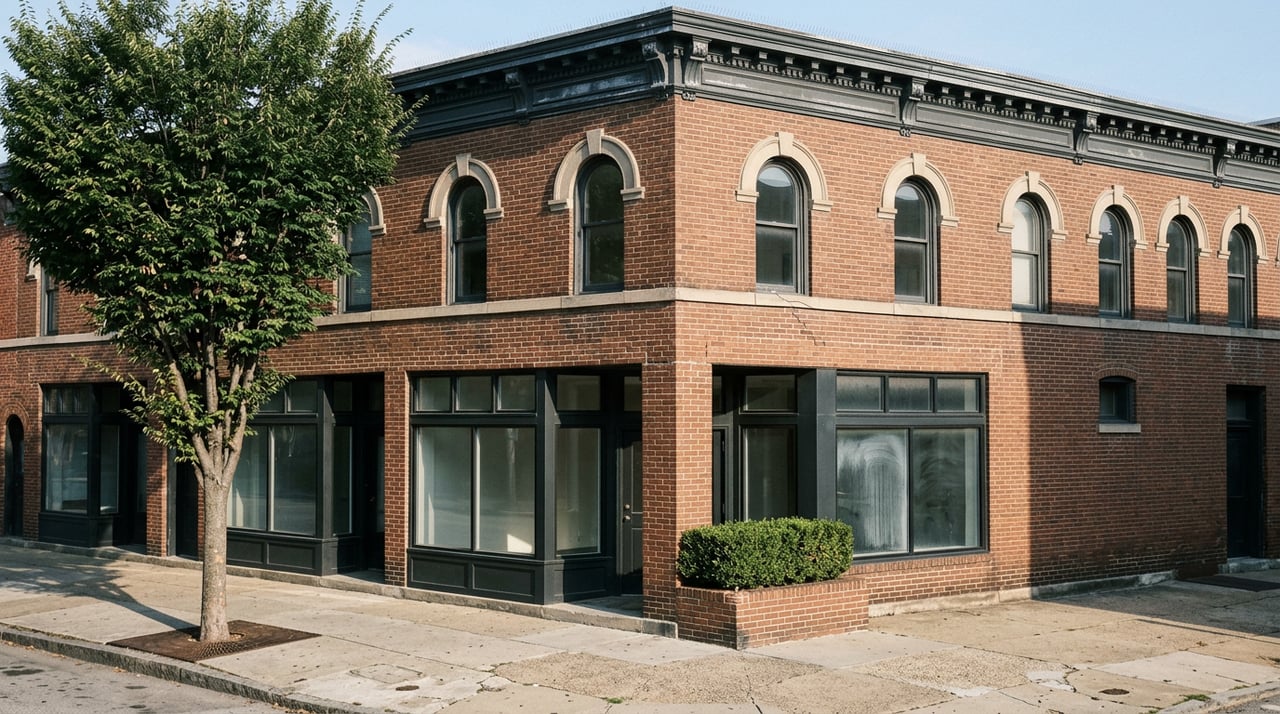
Walnut Hills sits near Cincinnati’s job centers and universities, which supports steady rental demand. You will find a mix of historic duplexes, walk-ups and small brick buildings that fit 2 to 6 units. Many investors pursue light value-add renovations to lift rents and improve operations.
Before you buy, confirm local demand, rent levels and vacancy trends. Look at commute options, neighborhood amenities and access to transit. Also review any new rental supply nearby that could affect your rent assumptions.
Market checks to do first
Start by gathering local data on rent levels by bedroom count and unit type. Compare those rents to recent lease files on target properties. Ask about actual vacancy and concessions.
Pull recent sales comps and cap rates for 2 to 4 unit properties in Walnut Hills. Review demographics and income trends to understand your tenant pool. Check public data on code enforcement and neighborhood crime trends to inform tenant retention and operating assumptions.
Local rules you must verify
Every property sits within a zoning district, so confirm the parcel’s zoning and permitted uses with the City of Cincinnati before you go under contract. Confirm whether duplexes or small multi-family are allowed as-is, if conversions need approvals, and what parking requirements apply.
Ask the city about rental registration, inspections and licensing requirements. If the building is in a historic district or overlay, exterior work may require review and permits. Always pull proper building permits for renovations and systems work.
Know the basics of Ohio landlord-tenant law. State statutes in the Ohio Revised Code set rules for security deposits, notices and tenant protections. If the building was built before 1978, you must deliver federal lead-based paint disclosures to tenants and follow renovation rules when disturbing painted surfaces.
If you are considering short-term rentals, confirm Cincinnati’s current rules and any licensing steps. Also review property taxes, special assessments and potential reassessments after purchase.
Financing paths for 2–8 units
Your loan options depend on unit count and whether you live in the property.
- Owner-occupied 2–4 units: FHA, VA and conventional programs may allow lower down payments if you live in one unit. Verify current program limits and occupancy timelines.
- Investor loans for 2–4 units: Conventional investor loans underwrite to rental income and borrower strength. Prepare leases, a rent roll and market rent support.
- 5+ units: Expect commercial underwriting focused on Net Operating Income, higher down payments and shorter amortizations.
- Local banks, credit unions and portfolio lenders: Often flexible for small multi-family and value-add rehab.
- Bridge or rehab financing: Consider if you need to close quickly or fund construction prior to stabilization. Provide a clear scope, contractor bids and contingencies.
Owner-occupant financing usually offers the best terms, but it comes with occupancy requirements. Investor loans often require stronger cash flow and documentation.
Underwrite with the right metrics
Ground your analysis in simple, proven math. Build a conservative model and test sensitivity to rents, expenses and vacancy.
- Gross Scheduled Income (GSI): total rent if fully occupied.
- Effective Gross Income (EGI) = GSI minus vacancy and collection loss, plus other income.
- Net Operating Income (NOI) = EGI minus operating expenses, not including mortgage.
- Capitalization Rate (cap rate) = NOI divided by purchase price.
- Gross Rent Multiplier (GRM) = purchase price divided by GSI, a quick screen.
- Debt Service Coverage Ratio (DSCR) = NOI divided by annual debt service. Many small commercial loans look for DSCR of about 1.2 to 1.25 or higher.
- Cash-on-Cash Return = annual cash flow after debt divided by initial equity.
Assumption tips to test:
- Vacancy allowance: 5 to 10 percent for stable urban neighborhoods, adjust if demand is variable.
- Operating expense ratio: 30 to 50 percent of EGI is common for small multi-family, confirm with local comps.
- Replacement reserves: budget $250 to $600 per unit per year, higher for older buildings.
- Rehab contingency: add 10 to 20 percent on older housing stock.
Value-add ideas to lift returns
Focus on improvements that add rent or reduce expenses without overcapitalizing.
- Unit upgrades: kitchens, baths, flooring and durable finishes that attract longer-term tenants.
- Convenience features: in-unit laundry, secure storage or improved lighting.
- Utility strategy: separate or submeter utilities where feasible, or add a monthly utility fee.
- Operational wins: better property management, vendor contracts, preventive maintenance plans.
- Entitlements: if zoning allows, consider adding units or converting underused space.
Property types and common issues
Walnut Hills offers historic rowhouses, wood-frame duplexes and small brick buildings. Older construction can carry more maintenance and code-compliance needs, so plan for deeper inspections.
Frequent items to investigate:
- Electrical: knob-and-tube wiring, undersized panels and outdated service.
- Plumbing: galvanized supply lines and cast iron sewer laterals. Order a sewer scope.
- Heating: older boilers or steam systems with higher maintenance costs.
- Roof and structure: flashing, gutters, foundation settlement and moisture.
- Water intrusion: basement seepage, mold and pest issues.
- Life safety: egress, stairs, handrails, smoke and carbon monoxide alarms.
- Lead-based paint: required federal disclosure on pre-1978 housing and specific work rules during renovation.
- Historic exteriors: preservation requirements can add time and cost.
Due diligence checklist
Use this list to reduce surprises and protect your return.
- Title and taxes: confirm ownership, liens, easements and any delinquent taxes.
- Leases and deposits: collect current leases, rent roll, security deposit ledger and tenant contact list.
- Financials: review 12–24 months of income, expenses and utility bills to test your pro forma.
- Full inspections: general home inspection plus specialty inspections for sewer, electrical, HVAC/boiler, roof and potential environmental risks.
- Code and zoning: verify certificate of occupancy, open permits or violations and zoning compliance.
- Insurance: price coverage for older buildings and confirm insurability.
- Contractor bids: get written scopes, schedules and line-item costs for planned work.
- Market comps: confirm recent sales for 2–4 units and current achievable rents by unit type.
Neighborhood fit and tenant demand
Tenants care about commute times, walkability and nearby amenities. Walnut Hills benefits from proximity to downtown offices, major medical centers and universities, which often supports strong demand for 1–2 bedroom units. Confirm transit routes and local amenities that may impact rent premiums and leasing velocity.
Keep an eye on redevelopment plans or new rental supply that could shift pricing. Also watch property tax trends and any special assessments that affect your net operating income.
How to pressure-test your deal
Before you offer, run a base case and two stress tests.
- Base case: market rents supported by comps, vacancy at your neighborhood estimate, conservative expenses and reserves.
- Downside case: lower rents, higher vacancy and a 10 to 15 percent increase in expenses. Confirm DSCR still clears your lender’s threshold.
- Rehab surprise case: add 15 percent to your construction budget and a longer timeline. Confirm you can carry holding costs.
If returns still meet your goals, you have a resilient deal.
Next steps with local resources
As you narrow targets, contact the City of Cincinnati for zoning and permit guidance and confirm any rental registration steps. Pull parcel records and tax history from county sources, and review neighborhood plans from community organizations to understand future changes.
If you plan to owner-occupy, review FHA or conventional owner-occupied multi-unit options and confirm current limits. For investor loans or 5+ units, talk to local banks or credit unions that understand small multi-family underwriting.
Ready to analyze a specific property? We can help you gather comps, test your underwriting and plan a renovation scope that fits the building and the neighborhood.
If you want a practical, design-informed path into Walnut Hills multi-family, let’s talk through your goals, financing path and first acquisition plan. You can expect clear education, neighborhood-first guidance and thoughtful renovation advice from start to finish. Reach out to Paige Von Hoffmann to get started.
FAQs
Is Walnut Hills good for duplex investing?
- It can be, especially if you want urban proximity, value-add potential and steady rental demand; confirm rents, vacancy, code history and rehab needs before you buy.
How do I finance a 2–4 unit if I live in one?
- Owner-occupied FHA, VA or conventional programs may allow lower down payments; verify program limits, required occupancy and documentation before you apply.
What returns can I expect on a small multi?
- It varies by price, rents and expenses; model cap rate, cash-on-cash and DSCR using local comps, and stress test for vacancy and expense increases.
What rehab items drive costs in older buildings?
- Electrical upgrades, plumbing replacements, heating systems, roof and moisture fixes, plus lead-safe work and any historic exterior requirements.
What are common deal killers in Walnut Hills?
- Major systems failures, unresolved code violations, zoning limits on unit count or parking, title liens, underestimated rehab costs and misread comps.
Do I need to register my rental in Cincinnati?
- Many cities require registration and inspections; verify current City of Cincinnati rules for rental registration, inspection schedules and fees before closing.
What legal rules should I know as a landlord?
- Review Ohio landlord-tenant law in the Ohio Revised Code, provide lead paint disclosures for pre-1978 units, and follow all health, safety and occupancy codes.